Thoughtful family gifts can make everyday routines easier or give everyone a reason to gather. This collection of 14 ideas ranges from keepsakes and playtime to useful household helpers.
Consider what would suit the household now: a growing baby, a home full of toys, or a family that values shared photos and meals.
14 Family Gift Ideas for Different Ages and Everyday Needs
PrepNaturals 5-Pack Glass Meal Prep Containers
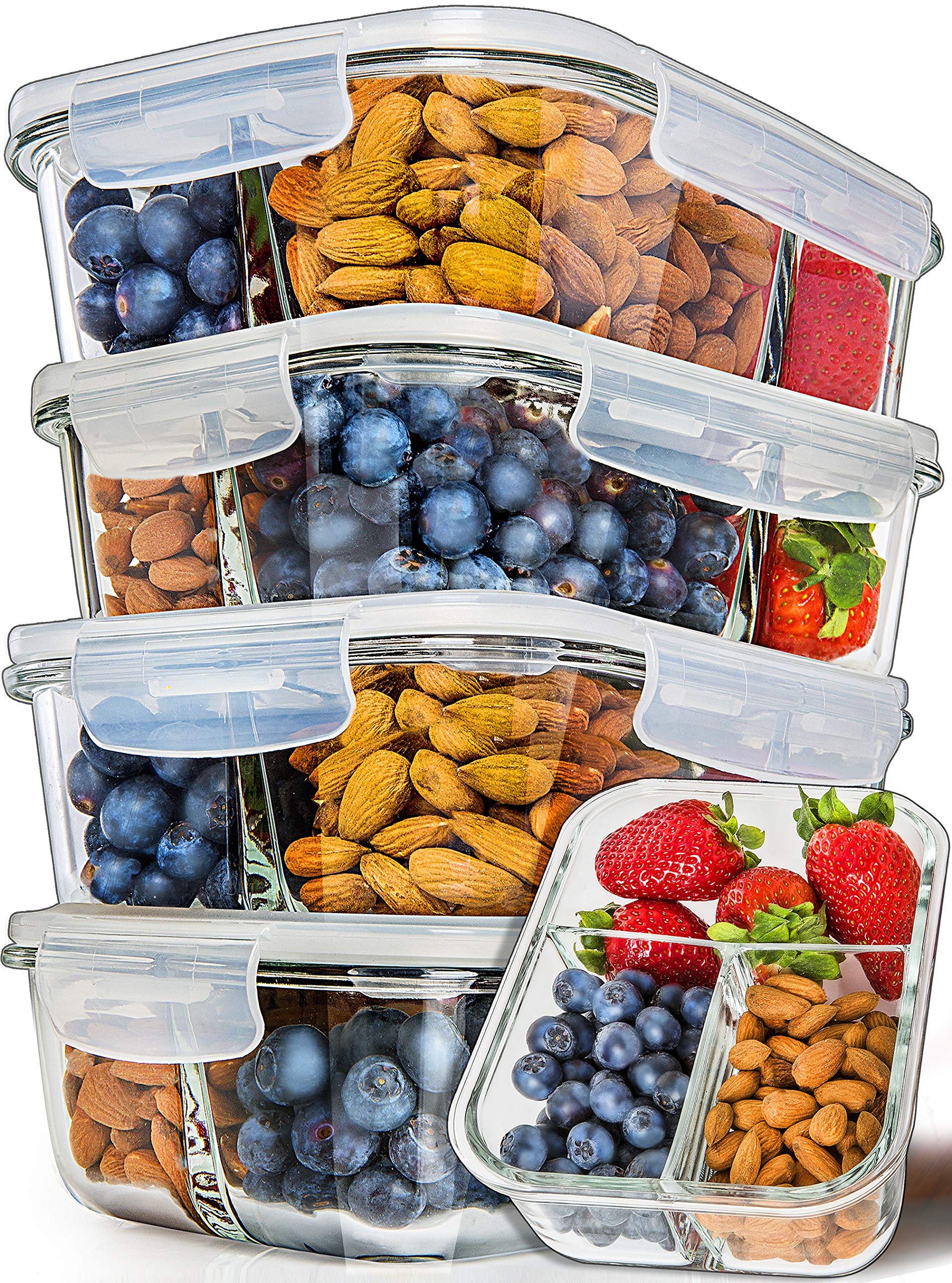
- Five glass containers have three compartments for separating foods.
- Suitable for meal prep that can go from storage to reheating.
- Lids are designed to help keep stored food fresh.
Best Gift For: Families who prepare meals ahead for busy workdays, outings, or travel.

HP Sprocket Portable 2x3-Inch Photo Printer
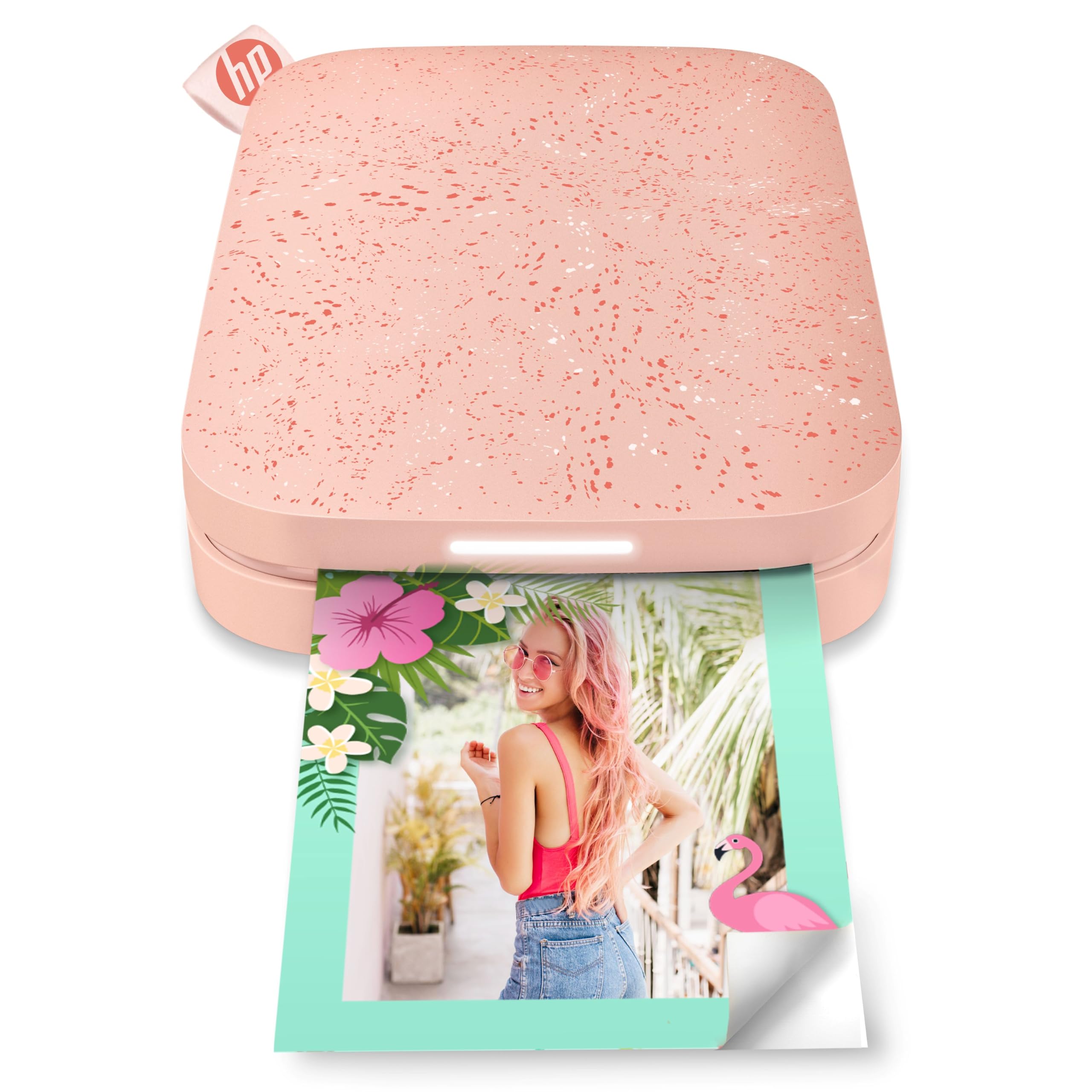
- Prints sticky-backed photos from a phone.
- Multiple devices can connect for shared printing.
- The included paper has peel-and-stick backing.
Best Gift For: Families who enjoy turning phone photos into small keepsakes to share or display.
PuroAir 100i Smart HEPA Air Purifier
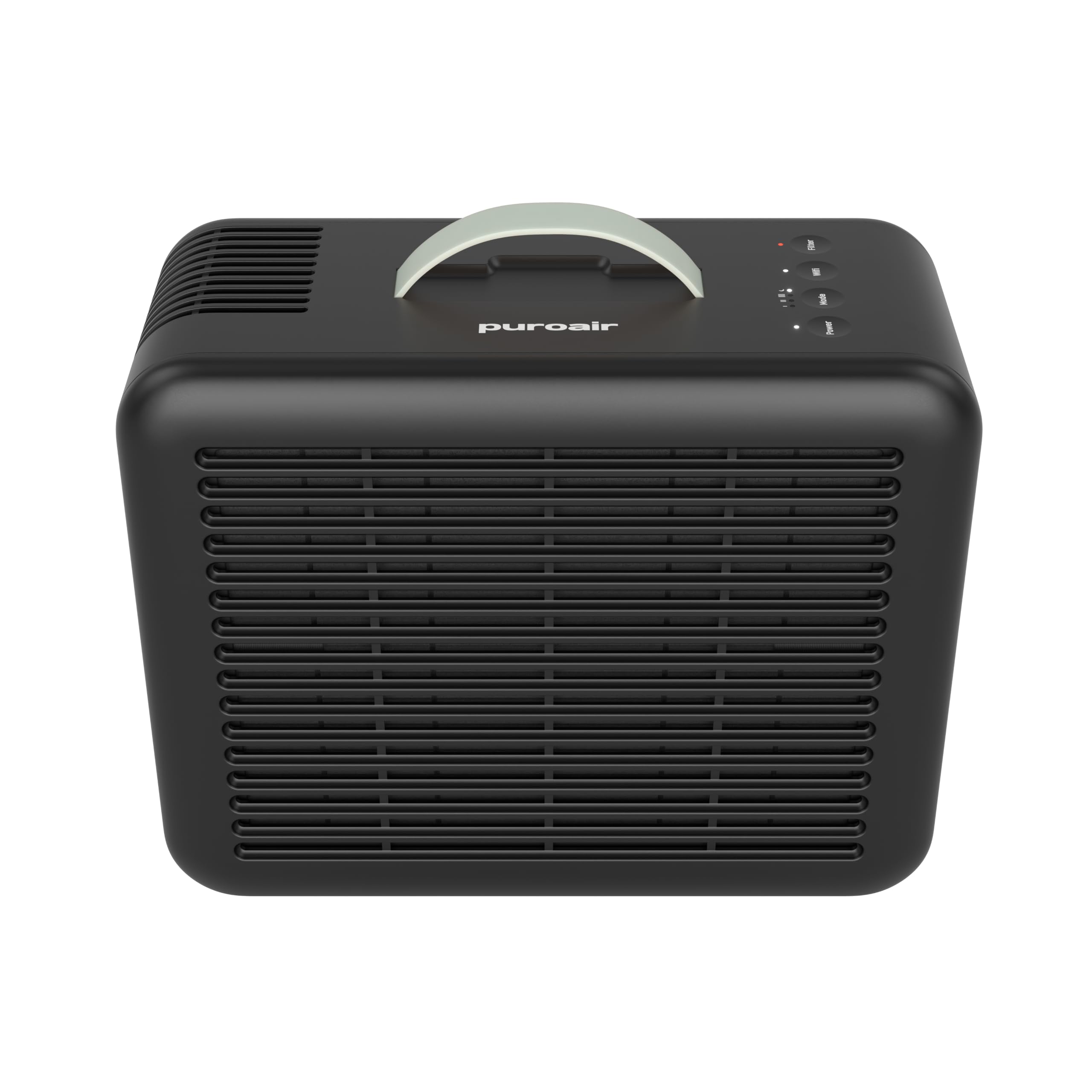
- Designed for rooms up to 550 square feet.
- Its filtration system includes a pre-filter, HEPA filter, and activated carbon.
- Phone app controls fan speed and settings.
Best Gift For: Families looking for a room air purifier for a home with pets.
Learning Resources Super Sorting Pie
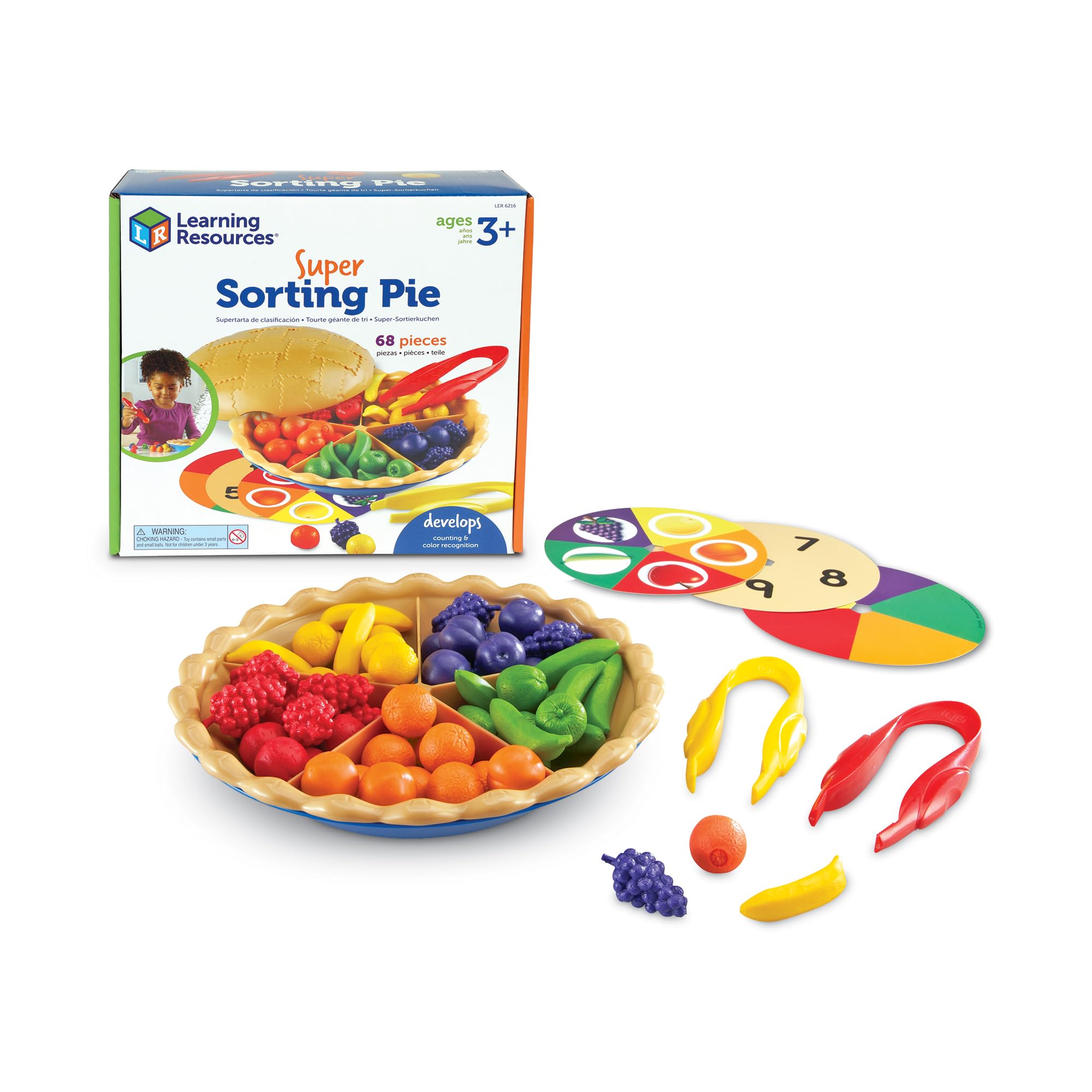
- The set includes colorful counters, sorting cards, and a divided pie plate.
- Jumbo tweezers support hand-eye coordination and pincer grasp practice.
- Two tweezers allow children to play together.
Best Gift For: Families with young children ready for playful sorting, counting, and color activities.
Grownsy 8-in-1 OG Fast Bottle Warmer
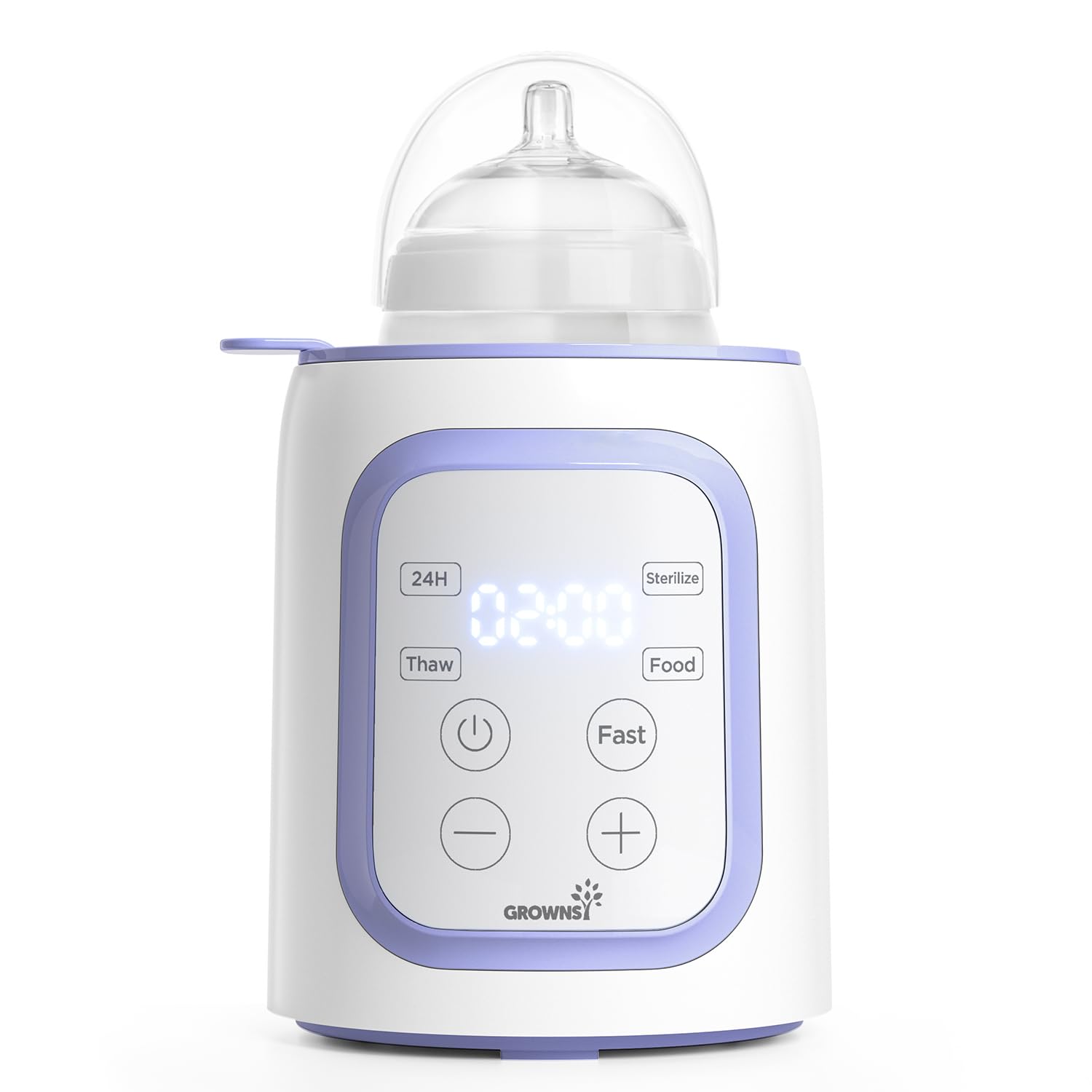
- Functions include warming, thawing, keeping warm, and food heating.
- A timer supports automatic shutoff when milk is ready.
- Its small size is intended to fit on a nightstand.
Best Gift For: Families who want a multi-use warmer for bottle feeding and late-night routines.
Lilly's Love Extra Large Stuffed Animal Hammock
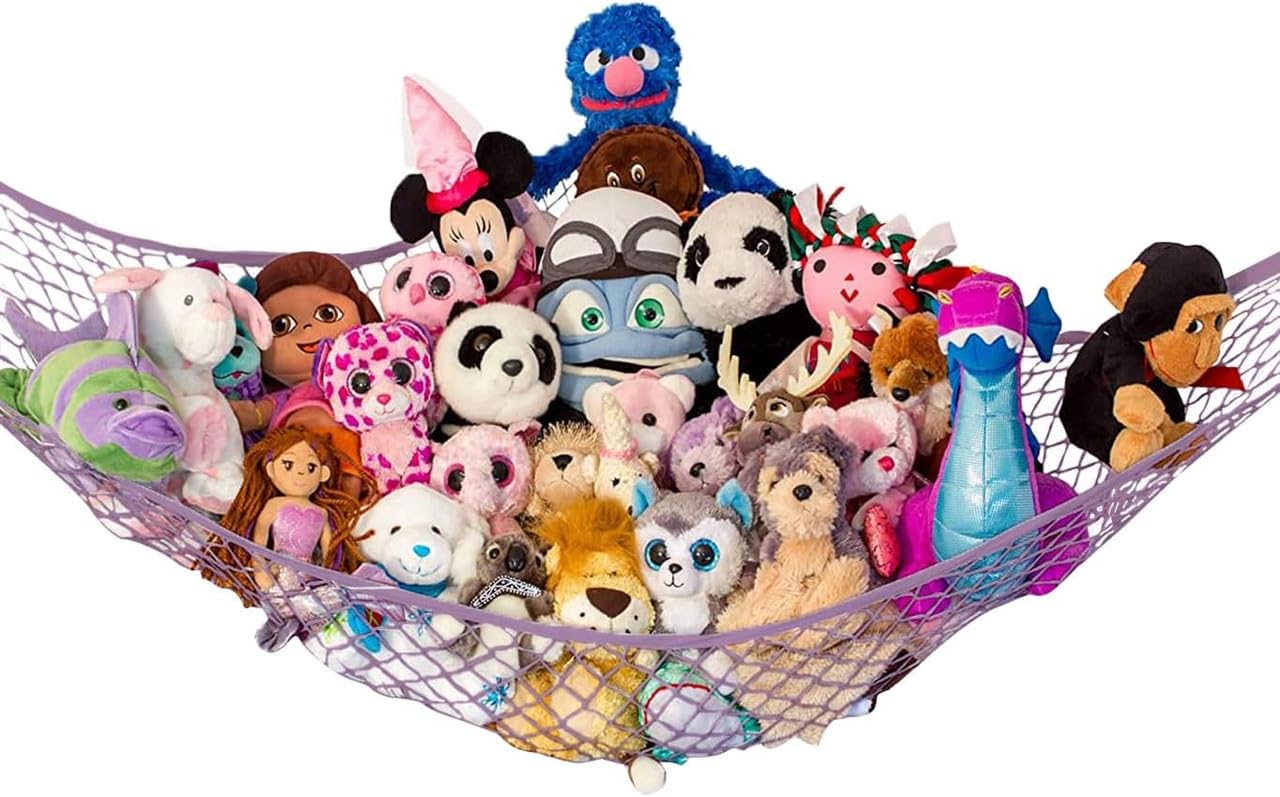
- The hammock expands to hold a large plush collection.
- Anchors, hooks, and an installation manual are included.
- The net is foldable and washable.
Best Gift For: Families looking to make a bedroom, nursery, or playroom more orderly while displaying plush toys.
Momcozy Extra Wide Retractable Mesh Baby Gate
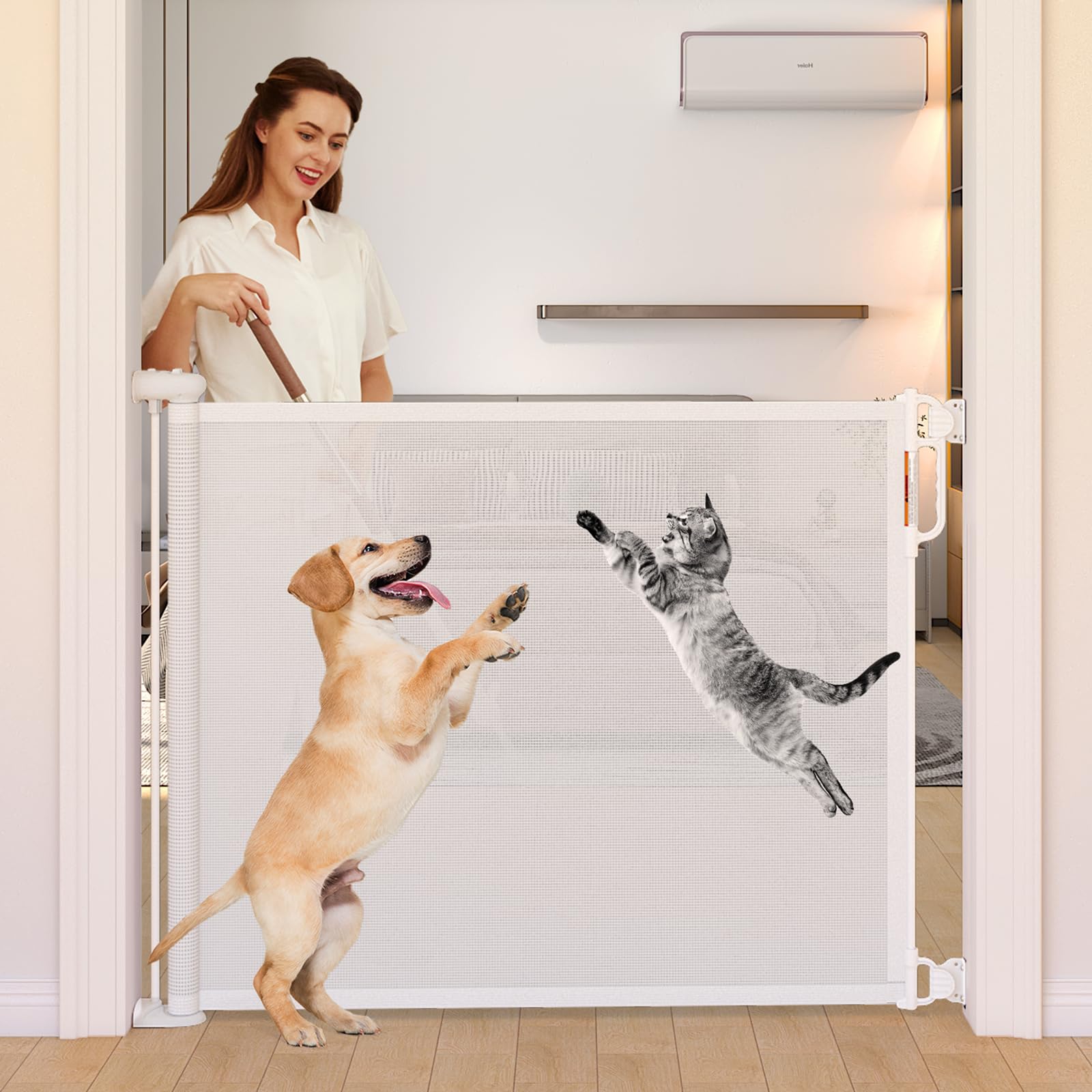
- Fits openings up to 71 inches wide and is 41 inches tall.
- The mesh retracts when the gate is not in use.
- One-handed operation locks and unlocks with a push and twist.
Best Gift For: Families who need a retractable barrier for a doorway, stairway, or hallway.
Momcozy PureHug Baby Carrier
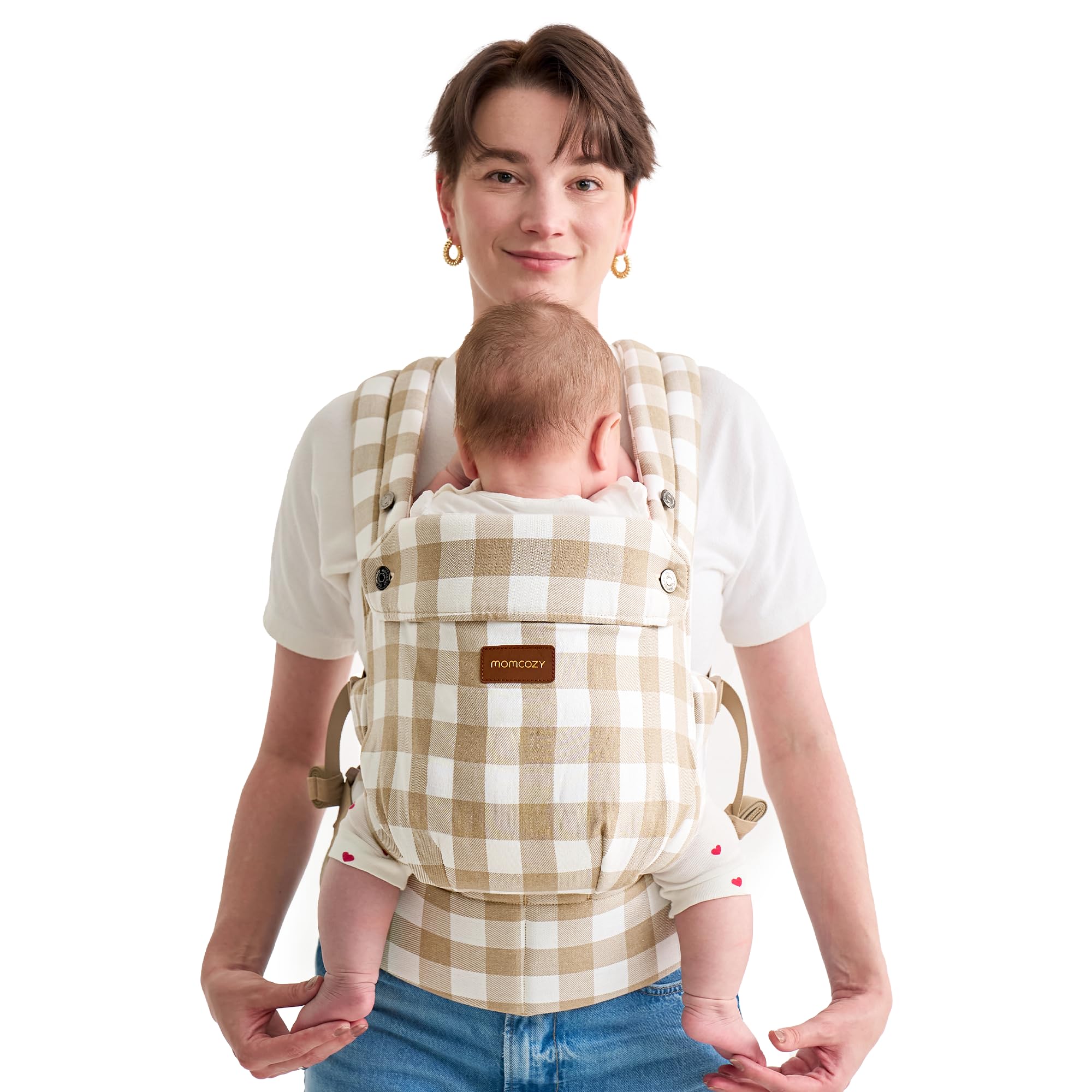
- Made from natural, durable, and breathable cotton linen to help keep your baby cool and comfortable.
- The design adjusts through three stages as a baby grows.
- Built-in EVA waist support offers lumbar support.
Best Gift For: Parents who want to carry a baby hands-free at home or while out and about.
Gaiatop Mini Portable Stroller Fan
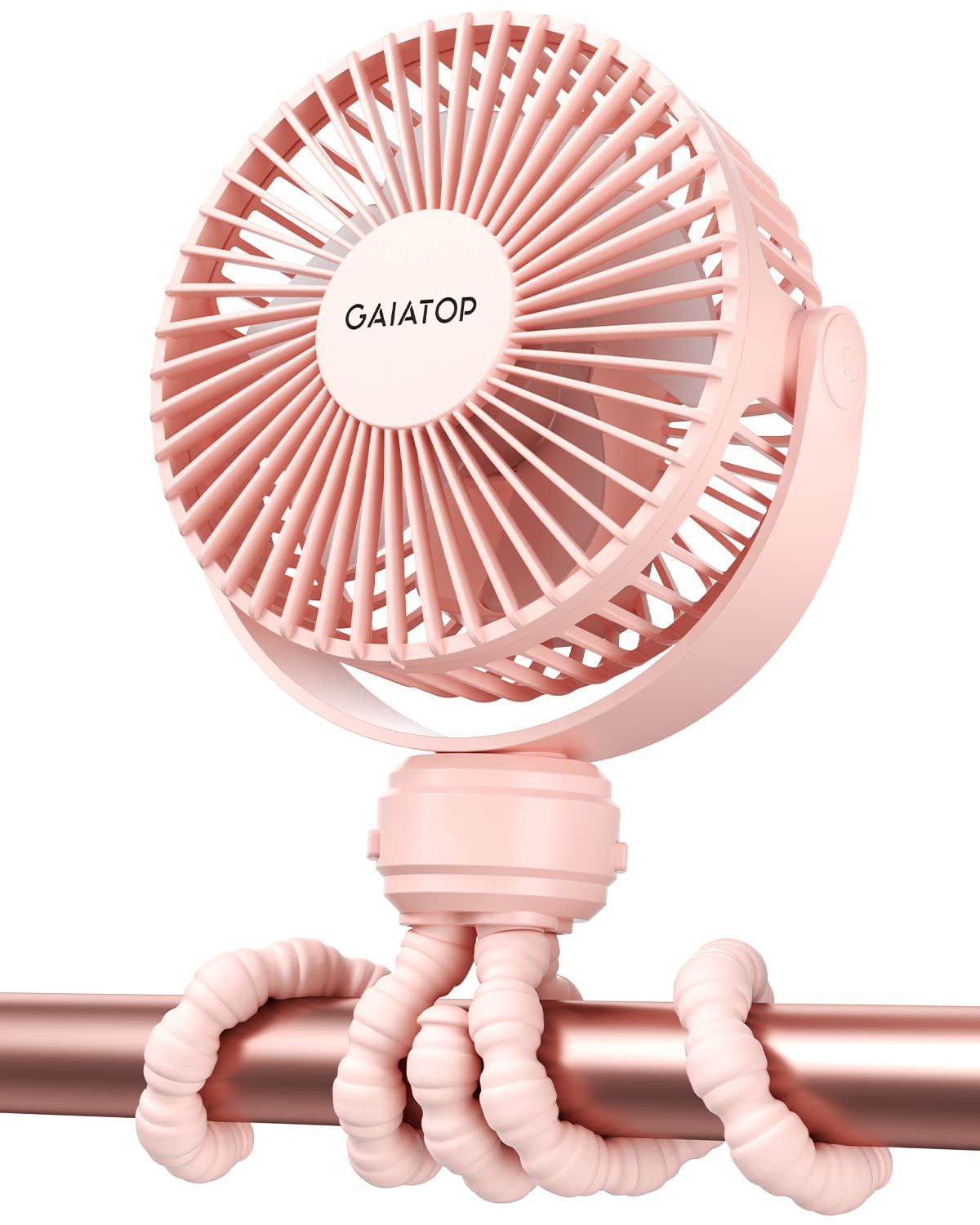
- The fan has three speeds and a rechargeable battery.
- Its flexible tripod attaches to different setups.
- The fan head can be removed for charging.
Best Gift For: Families seeking a small clip-on fan for stroller or car-seat outings.
SONGMICS Collage Picture Frames, Set of 12
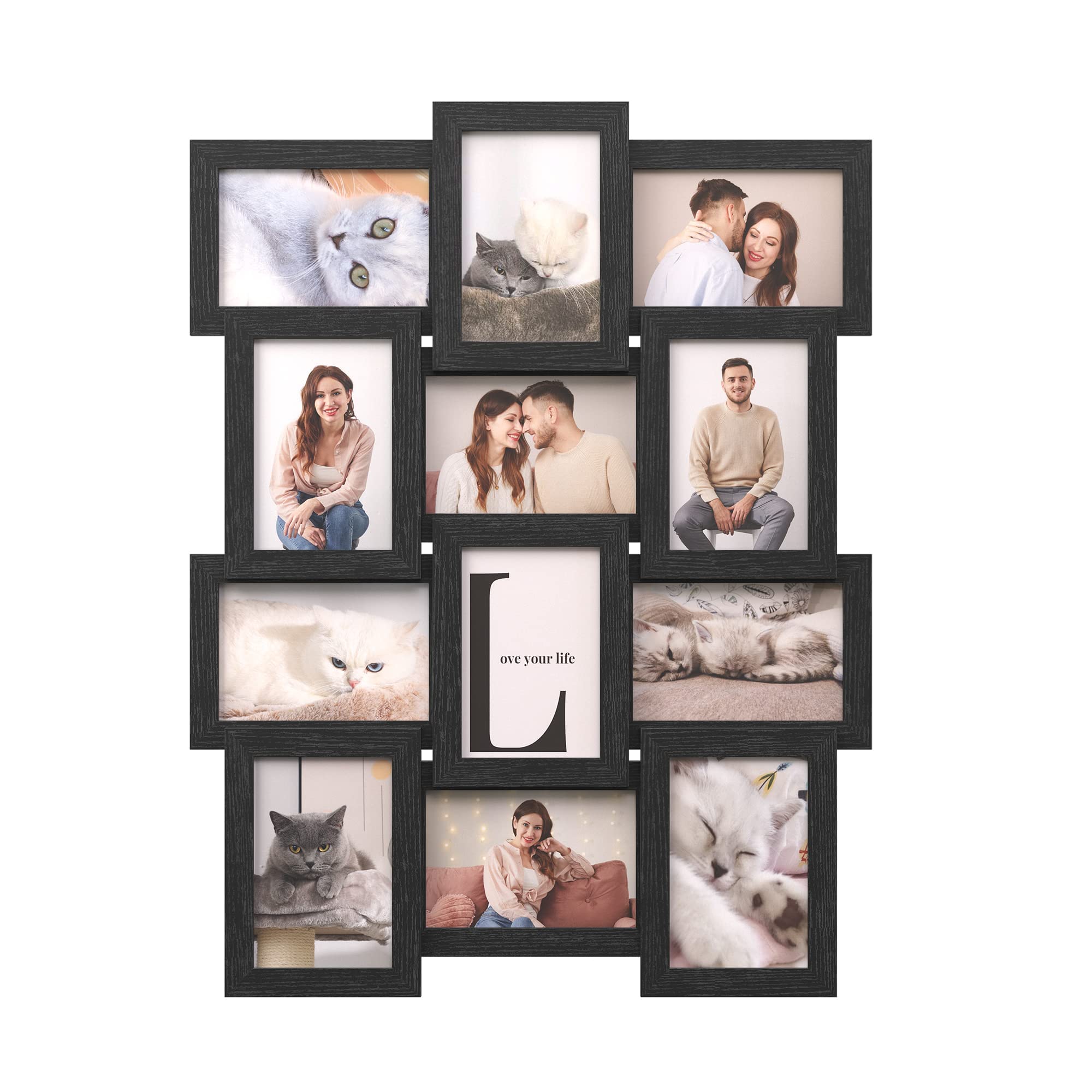
- The set has twelve frames sized for 4x6 photos.
- Turn buttons on the back make photo swaps simple.
- Numbered frames and instructions help with assembly.
Best Gift For: Families displaying photos of loved ones and get-togethers
Grownsy Compact Baby Bottle Sterilizer and Dryer
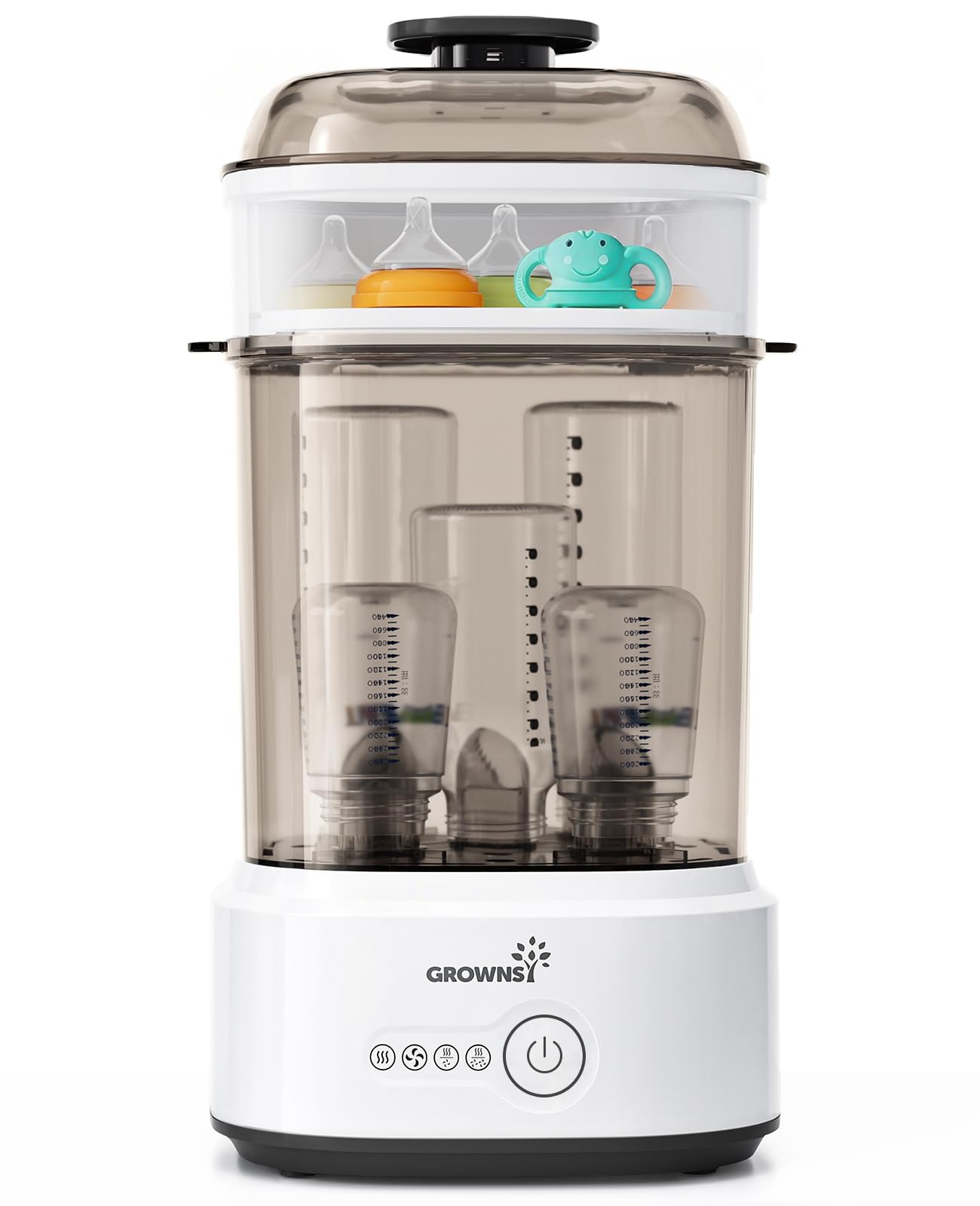
- Four functions include sterilizing, drying, combined sterilizing and drying, and storage.
- The unit fits bottles, pacifiers, pump parts, and teethers.
- It has automatic shutoff if pressure is too high or water runs low.
Best Gift For: New parents who want a multi-function appliance for bottles and feeding accessories.
TRIPPED Travel Gear Compression Packing Cubes, 7-Piece Set
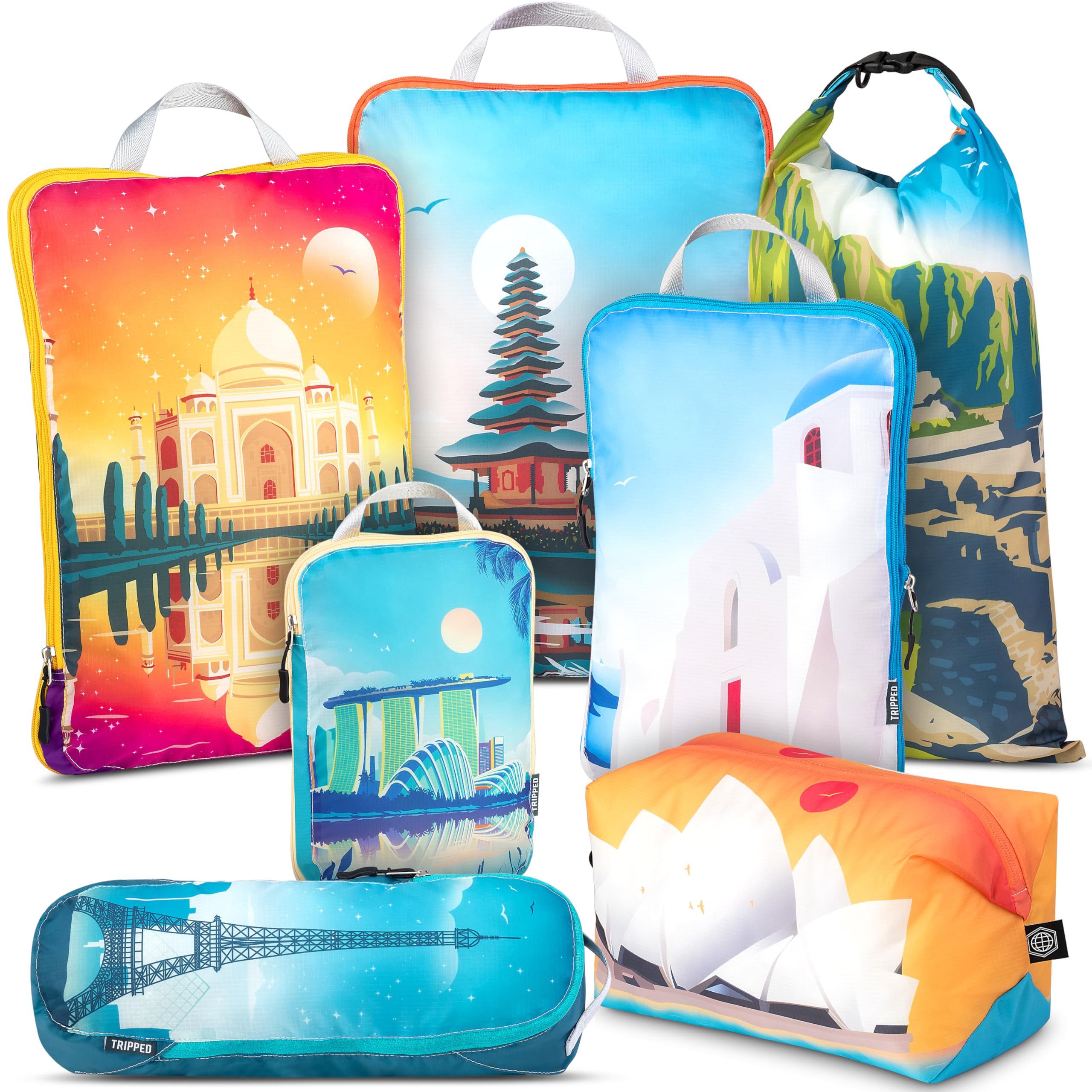
- The seven-piece set includes cubes and a laundry bag.
- The cubes can be used expanded or compressed.
- The tube cube is suited to electronics, toiletries, underwear, or swimsuits.
Best Gift For: Families who like sorting outfits and travel essentials into separate packing cubes.
Tommee Tippee Easi-Roll Baby Bibs, 2-Pack
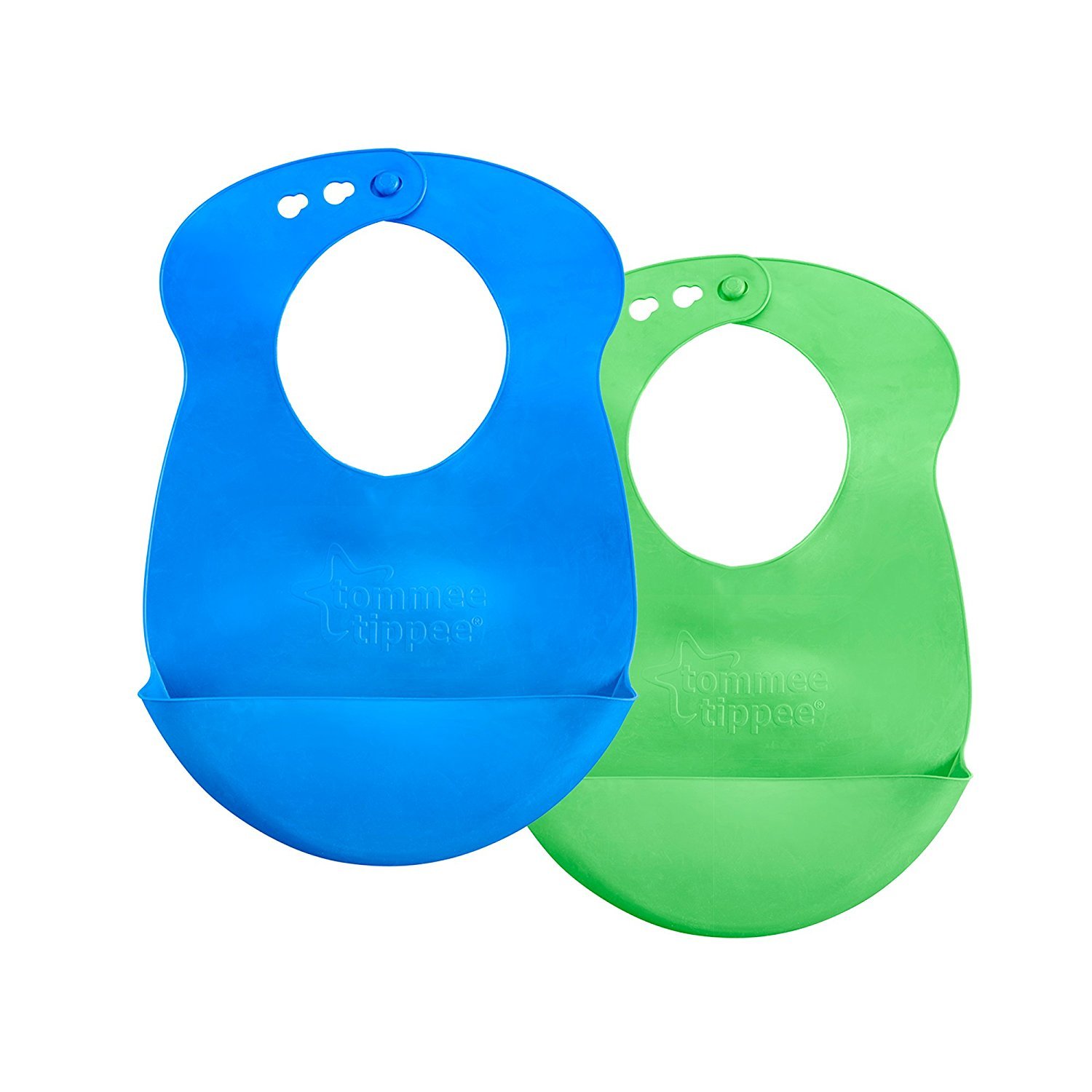
- Includes one blue and one green bib.
- The reverse backing is designed to encourage airflow.
- Each bib rolls up for storage and travel.
Best Gift For: Families with babies starting to enjoy mealtimes and needing a simple crumb catcher.
Duncan & Stone Baby Book Keepsake, Linen
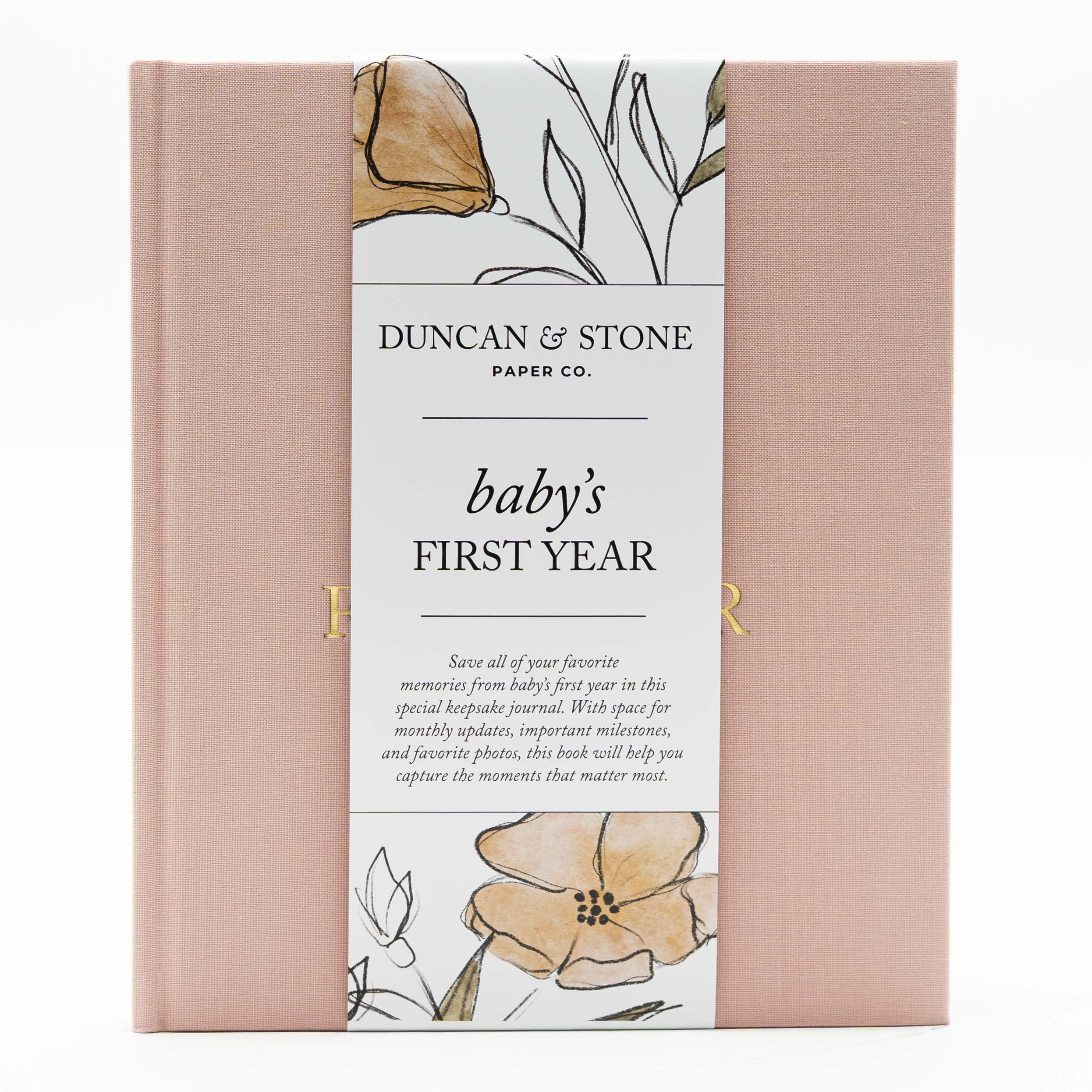
- Dedicated sections cover monthly updates, photos, and ultrasounds.
- The linen cloth cover has gold foil.
- The book has spaces for photos and brief notes.
Best Gift For: New parents who want a place to save pregnancy and first-year memories.
1. Choose gifts for families under 100 around their routines
When choosing gifts for families under 100, start with the moments that shape their week. A household with a new baby may appreciate help with feeding or carrying, while a family with preschoolers may prefer an activity that invites children and adults to play together.
Think about what would ease a daily task or create a small shared ritual.
For family members who live far apart, photo gifts can give favorite moments a visible place at home. For frequent outings, practical organizers or a portable accessory may be more useful.
If you are unsure, consider the family’s ages, available space, and whether they enjoy gifts that need setup or a little learning time.
A useful gift should suit the family’s habits and the person who will use it most. Parents often have strong preferences about baby gear, feeding routines, or home layouts, so a quick conversation with someone close to the household can help you choose something welcome.
2. Balance the budget with what the gift needs
Set a comfortable spending range before browsing, then weigh usefulness against how much of the family will benefit. A keepsake may be treasured for years, while an everyday helper earns its place by making a repeated task easier.
Either can be thoughtful when it suits the recipient.
Some products may need compatible accessories, supplies, or a particular place in the home. Check what is included and whether anything else is required before deciding.
That helps you understand the full cost and whether the item will work with what the family already owns.
A shared gift can also be a practical way to contribute to a larger household need. Ask whether another relative is already buying something similar, and consider pairing a modest item with a handwritten note or family photo.
Small personal touches can make a useful present feel considered without stretching your budget.
3. Personalize gifts for families under 100
For gifts for families under 100, personalization can make an ordinary household item feel tied to the people who receive it. Choose a photo from a recent gathering, write a note that recalls a family tradition, or add a child’s drawing when the format allows.
Make the gesture fit the item rather than overdecorate it.
For a baby book or photo display, leave room for the family to add their own memories. If you are giving an activity for young children, include a simple invitation to play together or a favorite snack for the next family afternoon.
A little context makes it easier for the gift to become part of a real routine.
Presentation can stay simple: reusable gift wrap, a card with names and a date, or a short note explaining why you picked the item. For gifts that require assembly or setup, offer help if you are visiting and the family welcomes it.
Keep the focus on the household’s comfort and preferences.
4. Think through fit and setup
Before choosing home or baby gear, consider where it will be used and who will operate it. Measure openings or available surfaces when dimensions matter, and check compatibility with the family’s existing bottles, devices, or storage.
A product can sound helpful but still be awkward if it does not fit their setup.
For items used by babies or young children, ask the parents what they already have and what they feel comfortable using. Their routines and preferences matter more than a gift giver’s assumptions.
For a toy or activity, think about whether the child has space to play and whether the family can keep the pieces together.
For travel or organization gifts, consider how the household packs and what kinds of trips they take. A gift that fits their habits is more likely to be used.
If you cannot confirm a detail, keep the receipt and include a note that makes an exchange easy.
5. Make a last-minute choice carefully
If time is short, narrow the choice to a need you can confirm: a keepsake for new parents, an activity for a young child, or an organizer for a household that likes practical help. Check current product details, compatibility, dimensions, and delivery estimates before ordering, since these can change.
When arrival timing is uncertain, a printable card or personal message can explain the gift and make the occasion feel remembered. You can give the note on time and let the physical item follow when it arrives.
Avoid promising a delivery date until you have checked the estimate for your location.
For a last-minute family gift, familiar routines are a safer guide than guessing about tastes. Ask a relative if the household has a registry or a specific need, and choose a returnable option when fit is unclear.
A concise, sincere note can make even a practical choice feel warm and personal.