The best board games for families depend on who is playing and whether you want a quick challenge, a learning activity or a game with room to grow. These picks cover preschoolers through adults, with options for head-to-head puzzles, shared game nights and classic tabletop play.
Quick Top Products
Educational Insights The Sneaky, Snacky Squirrel Game
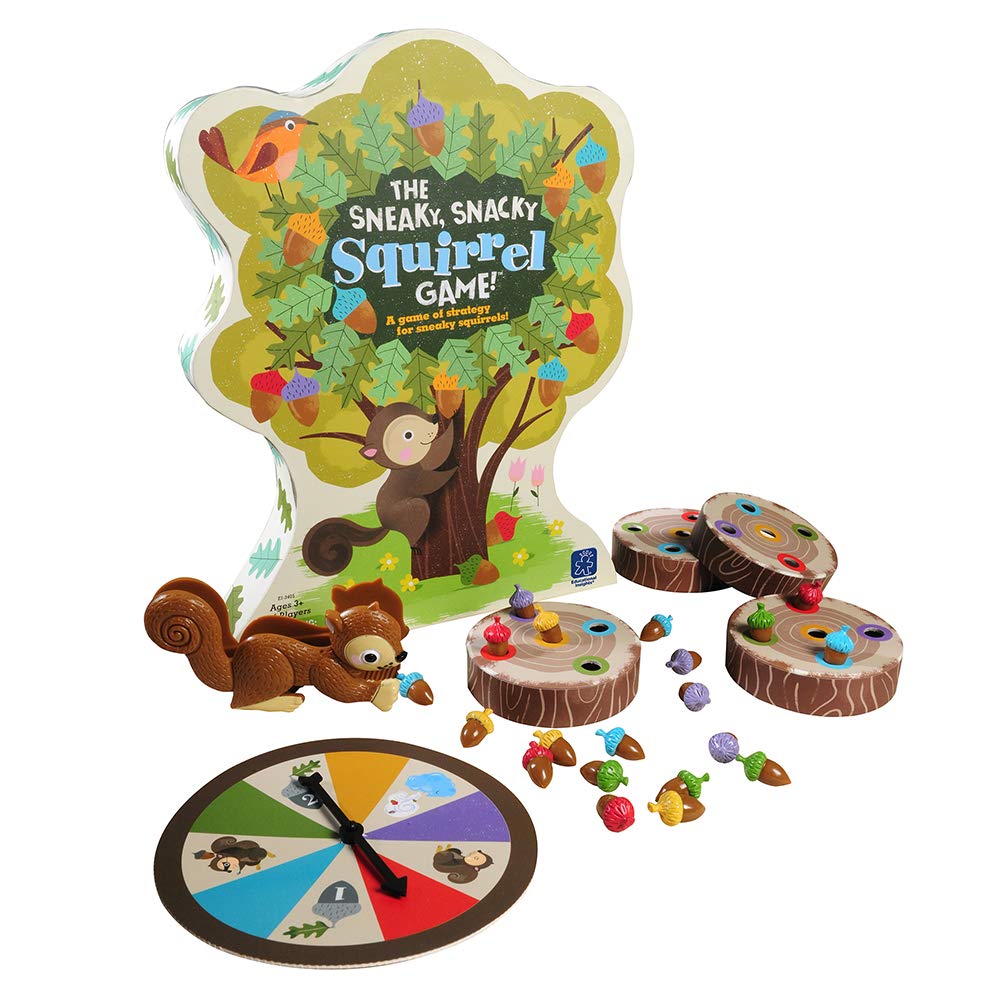
- Combines color learning, matching and strategic thinking for preschool play.
- Players use a squirrel squeezer to collect matching acorns.
- Includes the pieces for two to four players ages three and up.
Best For: Preschoolers learning colors, turn-taking and fine motor skills.

hand2mind Numberblocks Race to Pattern Palace!
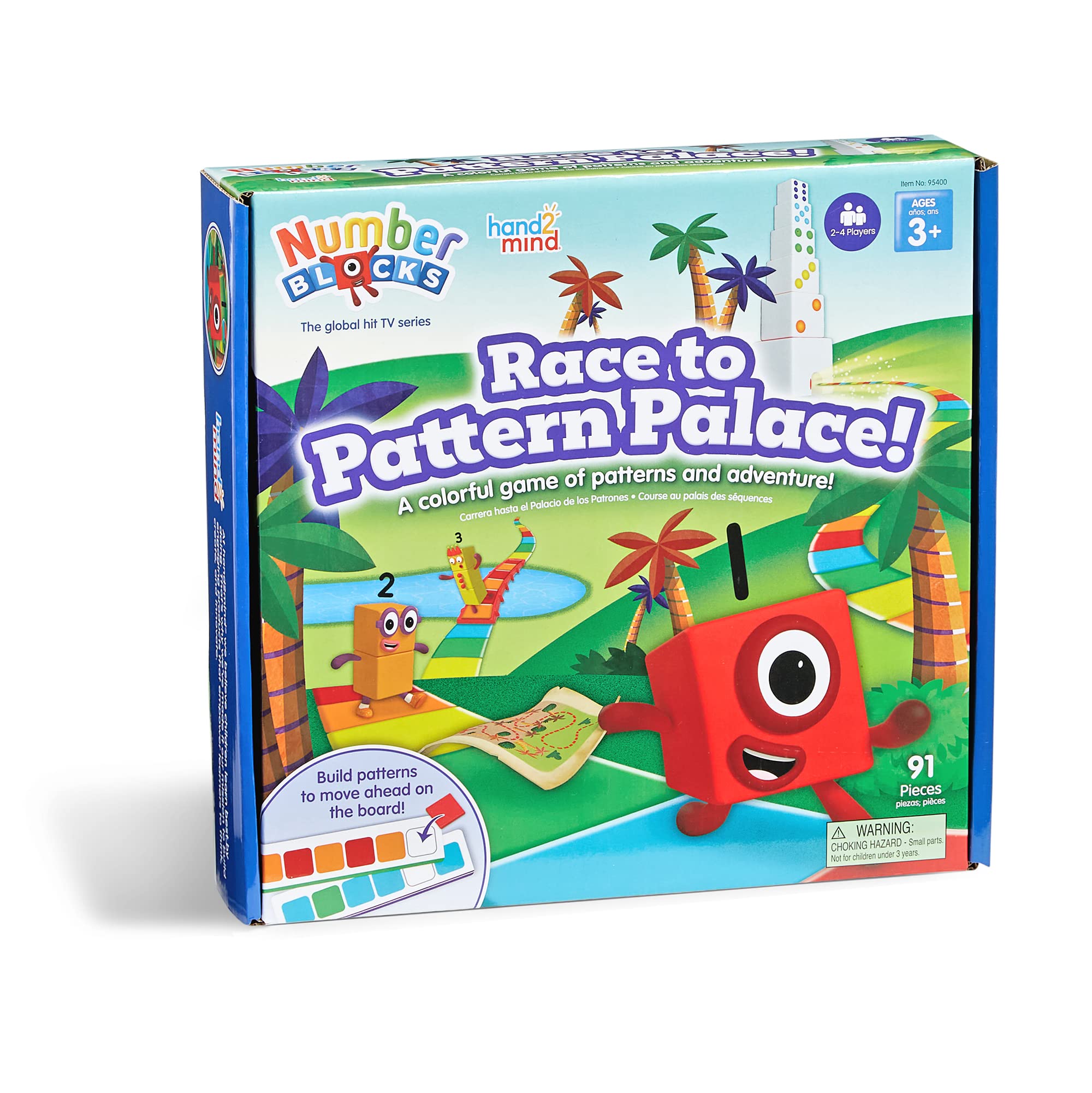
- Players copy, extend and create patterns as they race.
- Two levels offer introductory and more advanced pattern cards.
- The set includes 40 pattern cards and four Numberblocks pawns.
Best For: Preschool children learning to copy, extend and create patterns.
Educational Insights Pete the Cat I Love My Buttons Game
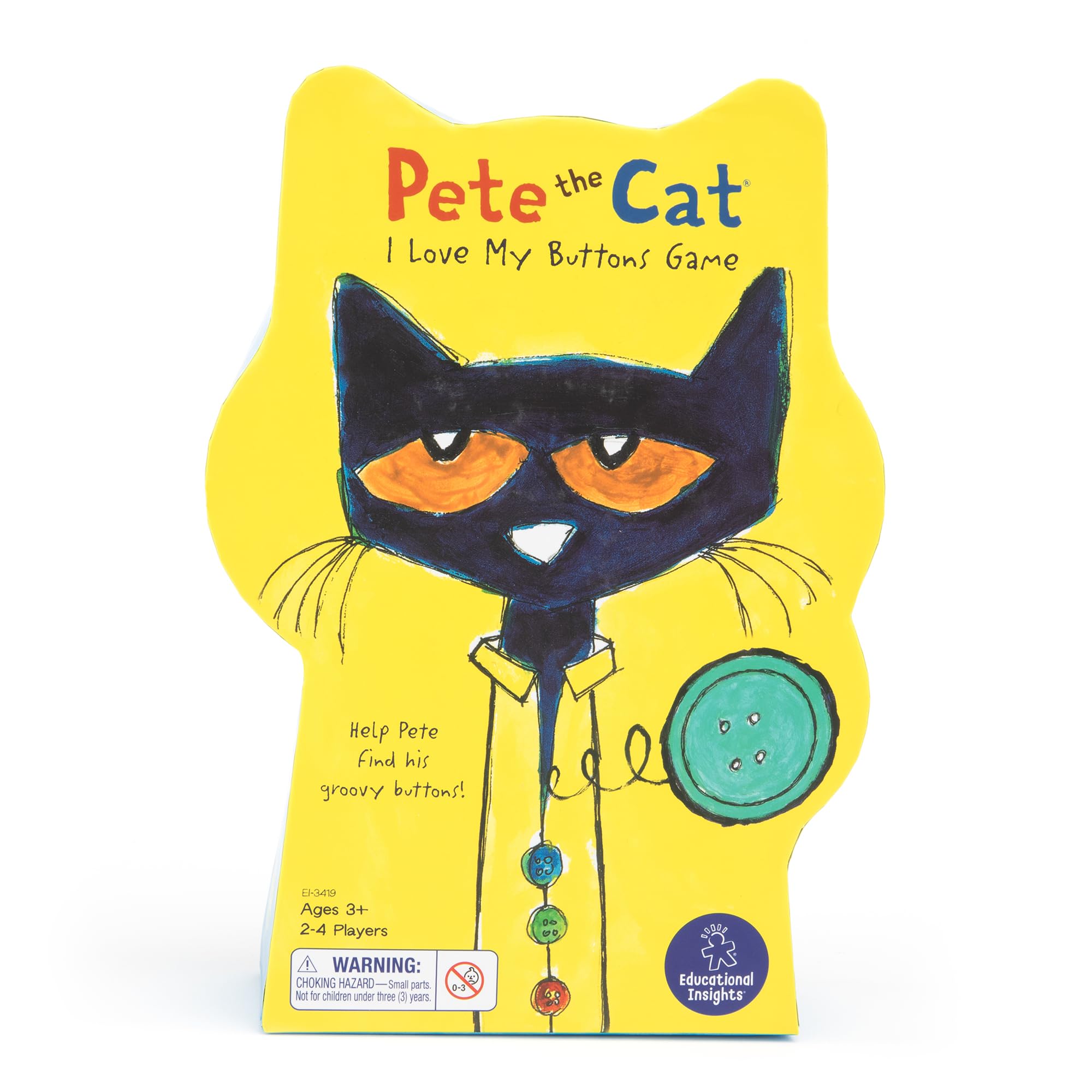
- Practices shape and color matching with button pieces.
- Players use the squeezer to place matching buttons on shirt boards.
- Made for two to four players ages three and up.
Best For: Young children practicing shapes, colors and turn-taking together.
Educational Insights Pancake Pile-Up
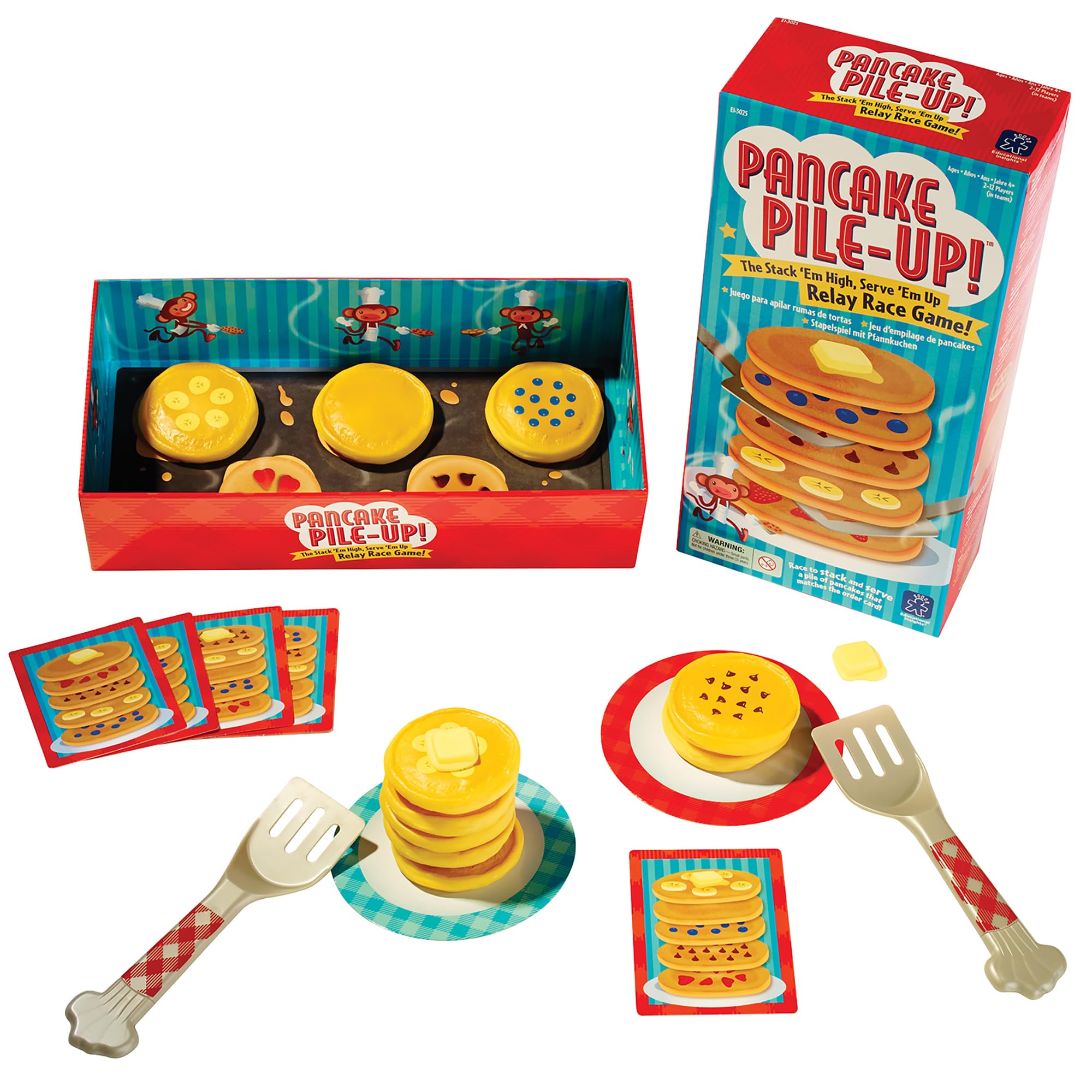
- A team race built around completing a pancake stack.
- Players match pancakes to an order card and pass the spatula.
- Supports two to twelve players ages four and up.
Best For: Preschoolers who enjoy movement, matching and team races.
Learning Resources Noodle Knockout
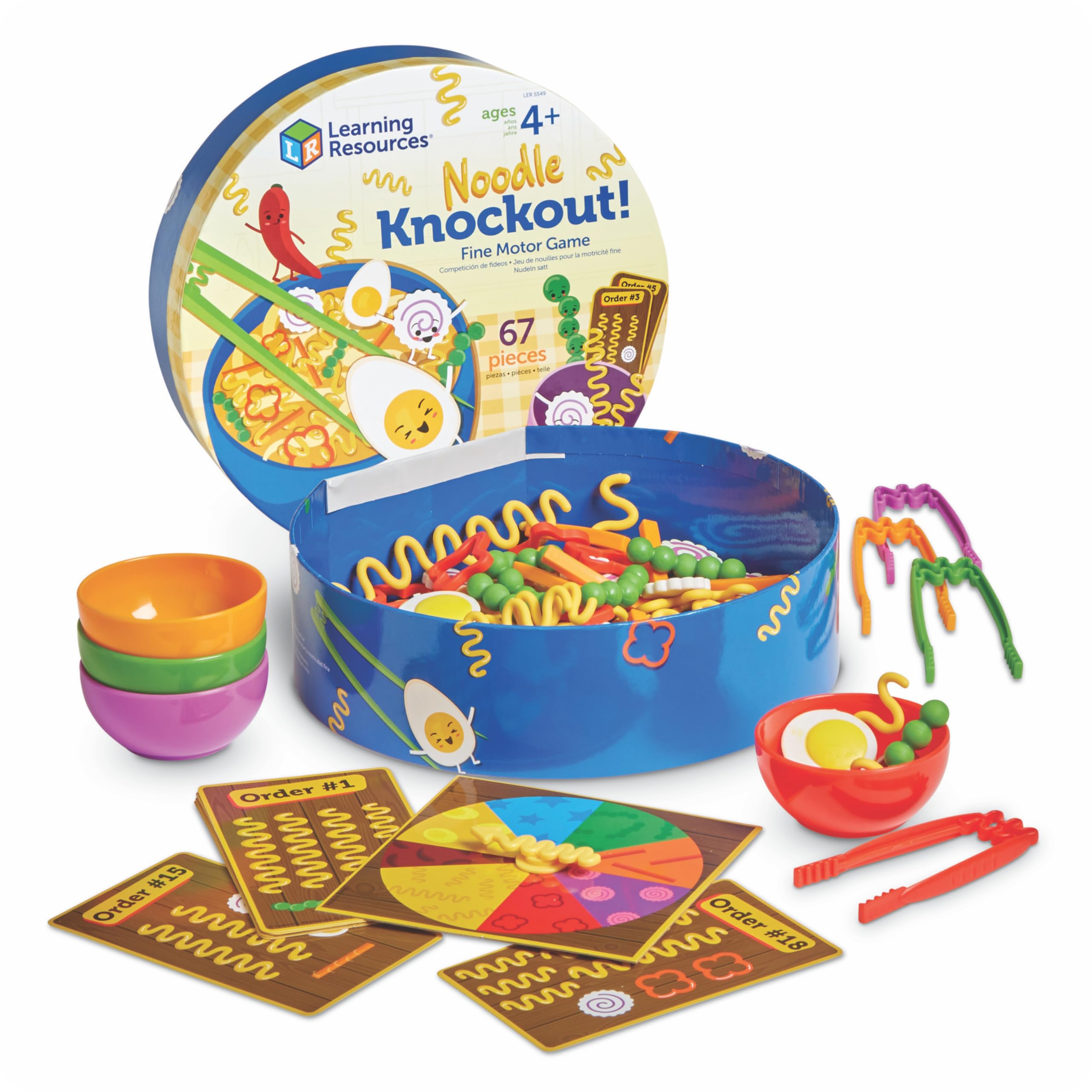
- Players use chopsticks to grab noodles and toppings.
- Three game variations suit ages four and up and two to four players.
- The 67-piece set includes bowls, order cards and chopsticks.
Best For: Children ages four to eight who enjoy tactile matching games.
Learning Resources Sum Swamp Game
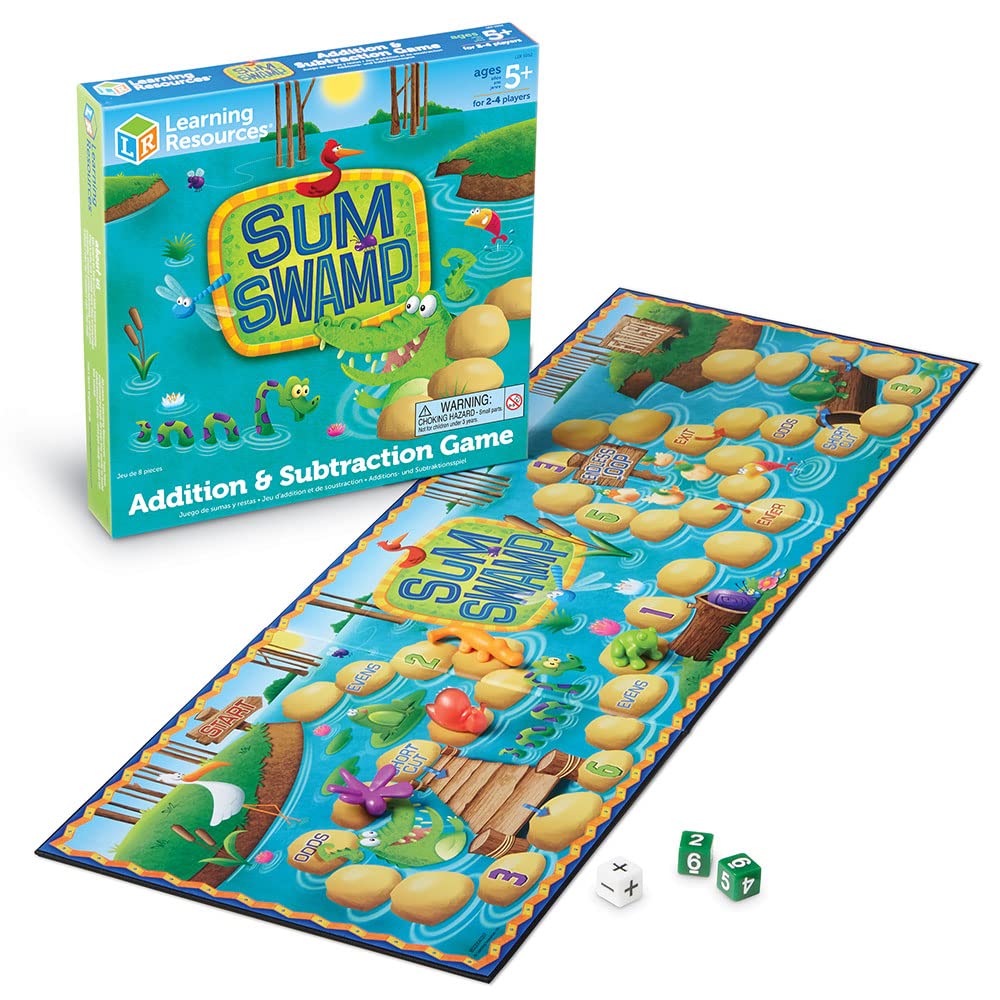
- Practices addition and subtraction through game-based play.
- Introduces even and odd numbers as well as basic operations.
- Designed for kindergarten and first-grade students.
Best For: Kindergarten and early elementary players practicing basic math.
Educational Insights Kanoodle Head-to-Head
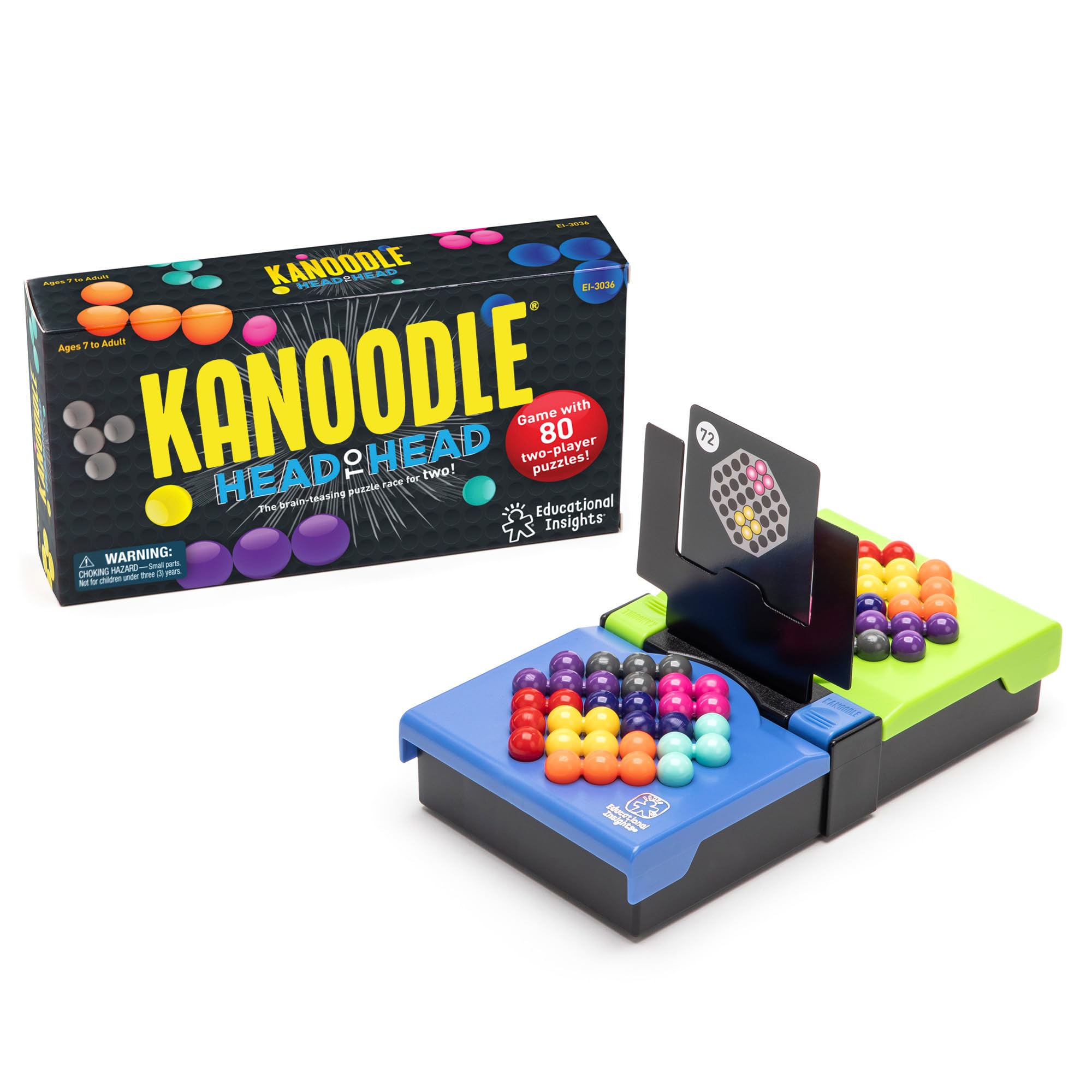
- Adds a competitive head-to-head twist to Kanoodle puzzles.
- Includes 40 double-sided cards with 80 puzzles.
- Designed for two players ages seven and up.
Best For: Two players ages seven and up who enjoy timed logic challenges.
The Happy Puzzle Company The Genius Star
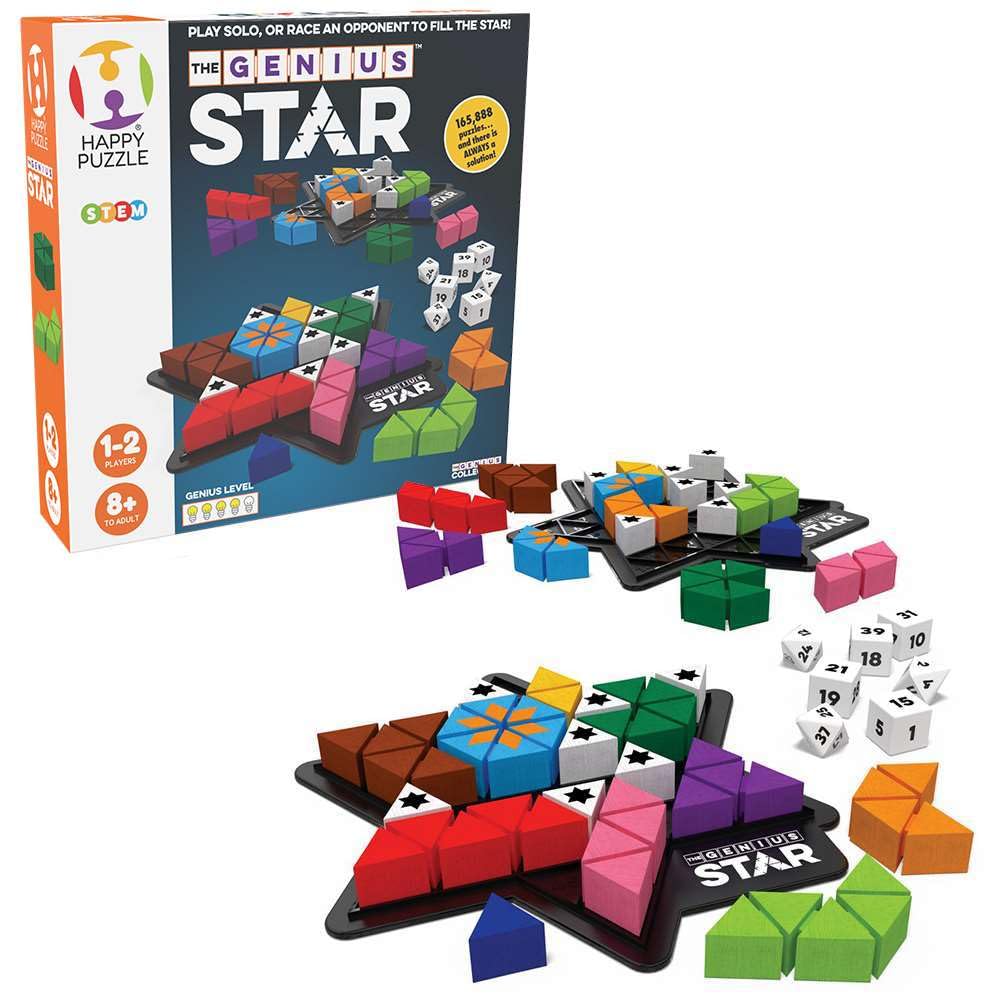
- Presents 165,888 possible puzzle setups.
- Players use Tetris-style pieces to fill a star-shaped board.
- Supports solo play or a head-to-head game for two.
Best For: Ages eight and up seeking solo logic practice or a two-player race.
Rich Dad CASHFLOW Board Game
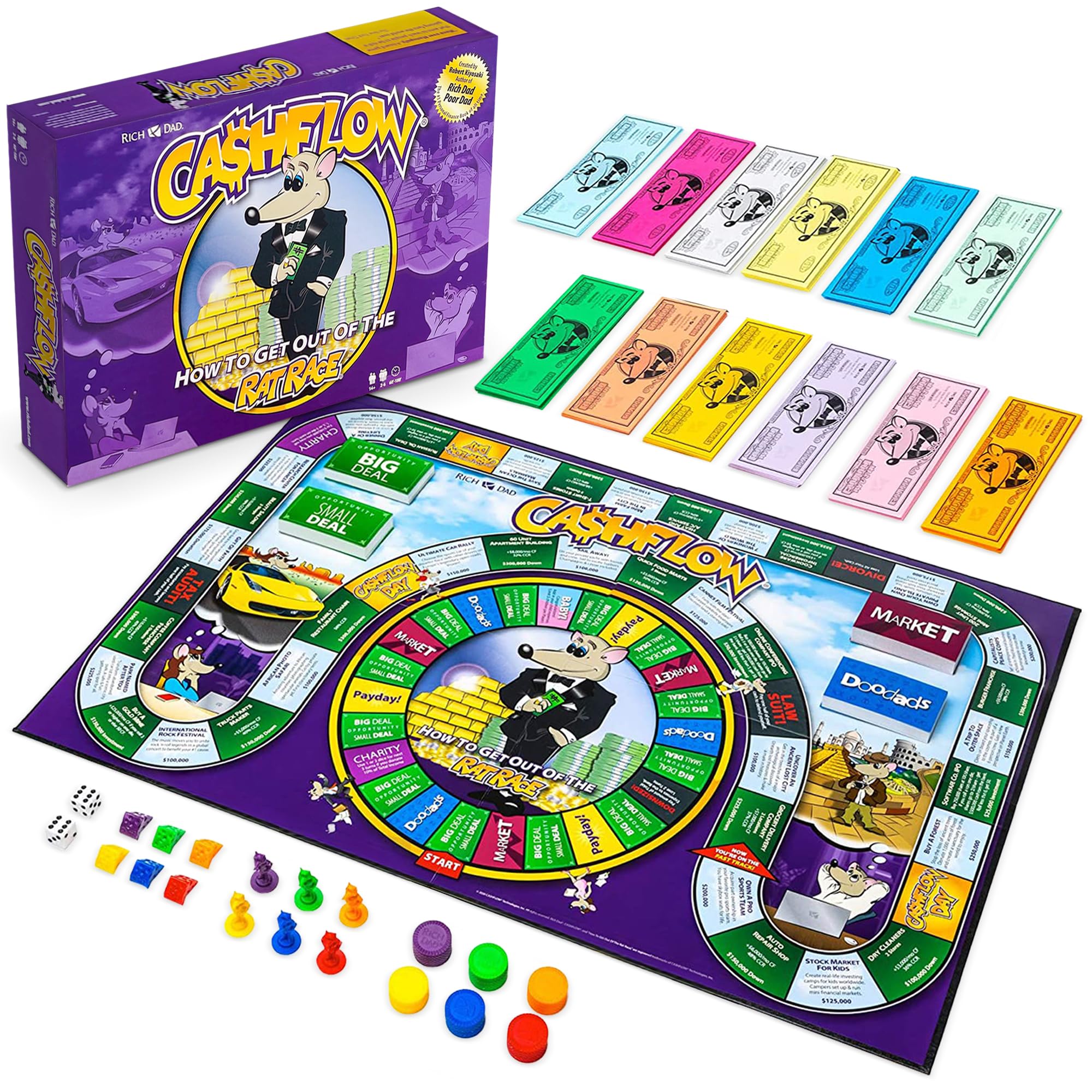
- Explores investing, saving and other money concepts through play.
- Designed as a collaborative family experience.
- A six-player game recommended for ages fourteen and up.
Best For: Teens and adults interested in learning about investing and money decisions.
Kollide by Relatable
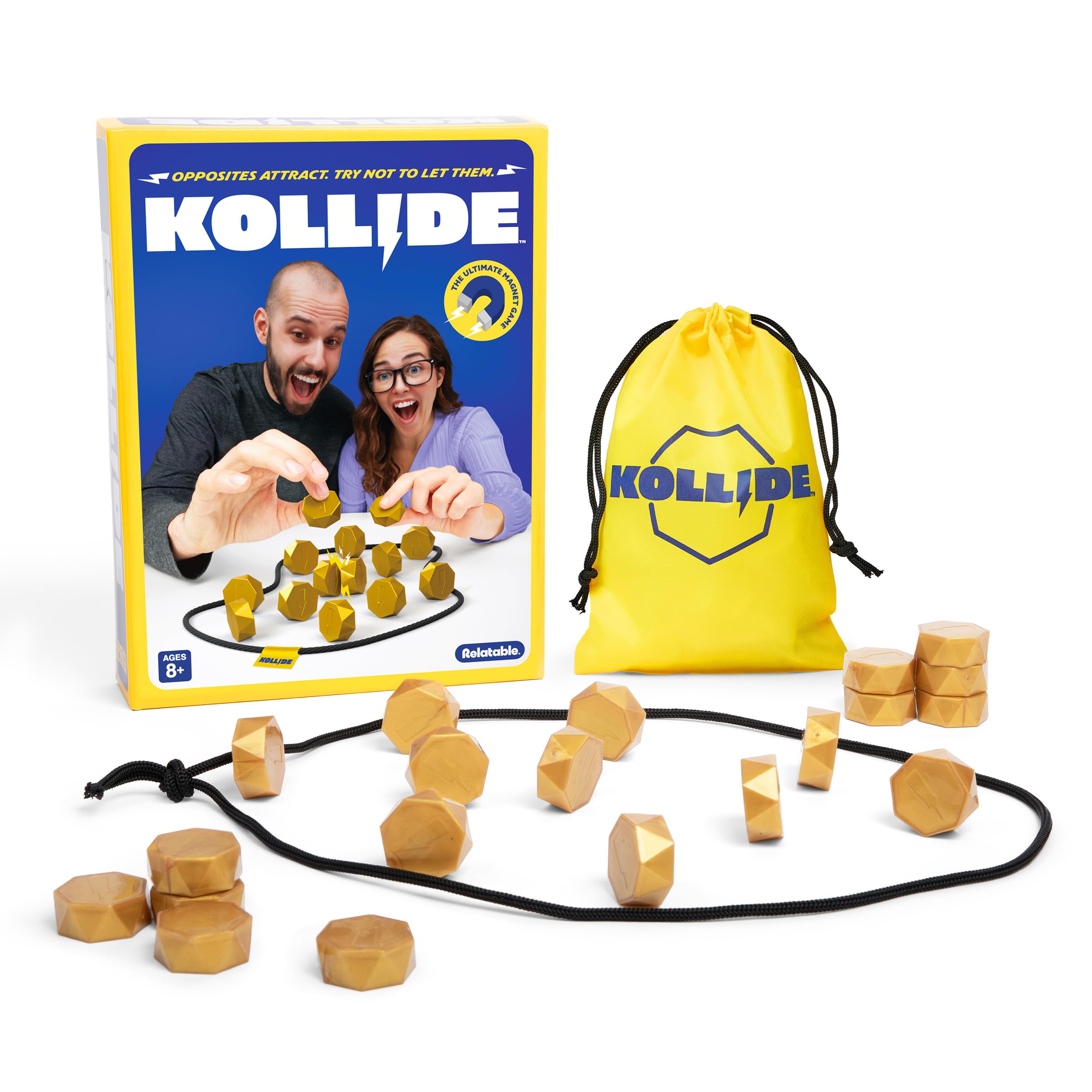
- A magnetic game intended for family game night.
- Includes a rope, 20 magnets and a carrying bag.
- Recommended for ages eight and up.
Best For: Families and friends ages eight and up who want a compact two-player challenge.
Preschool Color-Matching Game
Educational Insights The Sneaky, Snacky Squirrel Game - Toddler Board Games for 3 Year Olds, Fine Motor Skills Toys for Toddlers, Color Matching Preschool Games, Tweezer Tool Fine Motor Game
The Sneaky, Snacky Squirrel Game gives preschoolers a simple turn-based activity with a little decision-making. Players spin, use the squirrel squeezer to pick up a matching acorn, and watch for windstorms or opponents that can disrupt a turn.
The color and matching practice is paired with hand-eye coordination and dexterity. It supports two to four players ages three and up, making it a natural fit for a family game with young children.
The tree-shaped board doubles as the box, which helps keep setup and cleanup straightforward. It is aimed at early learners rather than older players looking for a complex strategy game.
Best For: Preschoolers learning colors, turn-taking and fine motor skills.
| Pros | Cons |
|---|---|
|
|
Choose this game for a preschool activity that mixes color matching with a hands-on tool. The squeezer and acorn pieces make turns active, while windstorms and opponent snatches add a competitive twist.
It is designed for ages three and up and two to four players, so check that the age range and group size fit your household. Game duration is not specified.
Numberblocks Pattern Practice
hand2mind Numberblocks Race to Pattern Palace! Board Game, Educational Board Games, Numbers for Toddlers, Math Toys for Kids 3-5, Preschool Learning Activities, Birthday Gifts for Kids
Race to Pattern Palace turns pattern practice into a race around a game board. Players move Numberblocks One to Four and use colored tiles to copy or extend patterns shown on cards.
Two levels of play let the activity start with introductory cards and move to more advanced challenges, while counting and color recognition also feature in the game. It supports two to four players and includes a dice popper, pawns, tiles and two card decks.
This is a particularly focused pick for a preschooler drawn to Numberblocks or for an adult who wants pattern work to feel more like a shared game than a worksheet.
Best For: Preschool children learning to copy, extend and create patterns.
| Pros | Cons |
|---|---|
|
|
This option suits children ready to work with patterns through a structured, shared activity. Its central task is copying and extending visual patterns, with two card levels and Numberblocks pieces providing the theme.
Check whether the child is familiar with pattern activities and likes moving around a board, since that is the core of play. The notes give a two-to-four-player range but do not specify a recommended age or session length.
Shape-Matching Button Hunt
Educational Insights Pete The Cat I Love My Buttons Game - Shape Matching Games for Toddlers 3-5, Turn-Taking Kids Games, Toddler Fine Motor Skills Toys, Preschool Learning Activities
Pete the Cat I Love My Buttons gives young players a clear matching goal: spin, pick up a button with the Pete the Cat squeezer, and fill a shirt board first. The buttons come in five shapes, so children practice shape and color matching while handling the pieces.
It is designed for two to four players ages three and up, and the box doubles as the game board for simpler setup and cleanup. The game also encourages taking turns and strategic thinking.
Its appeal is strongest for preschoolers who enjoy a straightforward race, rather than players seeking longer or more complex rounds.
Best For: Young children practicing shapes, colors and turn-taking together.
| Pros | Cons |
|---|---|
|
|
Pick this for a preschooler who will engage with Pete the Cat and enjoys sorting by shape. The squeezer gives the turns a tactile element, and the first-player-to-fill-a-shirt goal is easy to follow.
Compare it with the Sneaky, Snacky Squirrel Game if you are choosing between preschool matching games: this one focuses on shapes and shirt boards, while the squirrel game centers on colors and acorns. The notes do not give a typical play duration.
Active Pancake Relay
Educational Insights Pancake Pile-Up - Relay Race Games for Kids, Gross Motor Preschool Games for 4 Year Olds, Birthday Party Activities, Matching and Patterning Toddler Game
Pancake Pile-Up brings movement into a preschool game night. Players flip an order card, race to find the matching pancake, place it on a plate with a spatula, then pass the turn to the next teammate.
The relay format practices matching, patterning and sequencing while giving children a chance to move between turns. The set includes pancakes, plates, spatulas, order cards and a griddle-shaped board.
It supports two to twelve players ages four and up, which makes it a useful choice for a larger family or a party activity. Consider whether you have room for the active relay-style play it calls for.
Best For: Preschoolers who enjoy movement, matching and team races.
| Pros | Cons |
|---|---|
|
|
Choose Pancake Pile-Up when you want children to move around and play in teams instead of staying seated for every turn. Its two-to-twelve-player range is broader than the other preschool games here, and the relay structure gives a group a shared objective.
Check that the players are comfortable racing to collect pieces and that your play area can accommodate the activity. The notes do not specify the floor or table space required.
Hands-On Noodle Matching
Learning Resources Noodle Knockout Fine Motor Game - Games for Kids Ages 4-8, Toddler Board Game, Educational Matching Kids Games, Preschool and Kindergarten Classroom Game, Gifts for Toddlers
Noodle Knockout makes matching a hands-on challenge: players use chopsticks to grab wiggly noodles and toppings. The activity is designed to build dexterity and hand-eye coordination, while its three game variations add counting, color recognition, sorting and turn-taking.
It supports two to four players and includes noodles, toppings, a spinner, order cards, bowls and chopsticks. The sensory pieces give it a different feel from board games built around a flat path or cards.
It can work for family play or a classroom activity, and the 67-piece set benefits from a dedicated storage spot.
Best For: Children ages four to eight who enjoy tactile matching games.
| Pros | Cons |
|---|---|
|
|
This suits children who like tactile play and are ready to handle chopsticks as part of a game. Its three variations give families or classrooms ways to adjust play, and its skill focus goes beyond matching to include counting and sorting.
The 67-piece set also brings more small components to manage than a simple board-and-card game. Check that the intended players are comfortable with that kind of hands-on play and have a convenient place to keep the components.
Early Addition and Subtraction
Learning Resources Sum Swamp Game Addition & Subtraction Board Game - Educational Homeschool, Elementary Math Classroom Must Haves, Kindergarten, Gifts for Kids, Numbers for Boys and Girls
Sum Swamp turns addition and subtraction into a race through a themed board game. It also introduces even and odd numbers, so the math practice extends beyond calculating a sum.
The sturdy board and colorful creature pieces are designed for young learners, and quick sessions can suit children who have limited patience for worksheets or longer games. It is positioned for kindergarten and first-grade students, making it a focused educational pick rather than a general strategy game.
Consider whether addition, subtraction and number recognition match the players' current learning stage before choosing it.
Best For: Kindergarten and early elementary players practicing basic math.
| Pros | Cons |
|---|---|
|
|
Choose Sum Swamp when early arithmetic practice is the main goal. Its focus on addition, subtraction, and even and odd numbers makes it more specific than a general family board game, and quick play can help fit it into a short activity window.
Check the child's comfort with those concepts and confirm the group size suits your plans, since the notes do not specify the number of players or a formal age range.
Head-to-Head Logic Puzzle
Educational Insights Kanoodle Head-to-Head
Kanoodle Head-to-Head turns spatial puzzles into a direct race between two players. Each player arranges puzzle pieces to solve challenges, using a two-sided board and double-sided cards that provide 80 puzzles.
The competitive format makes it more social than a solo brain teaser while keeping the focus on logic and problem solving. It is designed for ages seven and up and includes a lid for the puzzle board, making the components more contained.
This game is best suited to a pair who enjoys working quickly and comparing solutions; it does not serve larger groups as a shared board game.
Best For: Two players ages seven and up who enjoy timed logic challenges.
| Pros | Cons |
|---|---|
|
|
Pick Kanoodle Head-to-Head for a pair that likes puzzle solving with a race element. The 80 challenges offer a defined set of problems, and the two-sided board supports simultaneous play.
It is less suitable for a family group than games with a wider player range, since the materials specify two players. Check that players are comfortable with spatial puzzles and the seven-and-up age guidance.
Solo or Two-Player Star Puzzle
The Happy Puzzle Company The Genius Star | Toy of The Year Award Winning Family Board Game | 165,888 Possible Puzzles | Filling in Colored Shapes | Blockers to Complete A Star | Golden Star Twist
The Genius Star centers on filling a star-shaped board with Tetris-style pieces after rolling dice and placing blockers. It can be played solo as a personal challenge or head-to-head with another player, giving it more flexibility than a strictly two-player contest.
The product highlights 165,888 possible puzzles and includes two boards, play pieces, dice and instructions. It is aimed at ages eight and up and develops spatial reasoning, problem solving and focus through puzzle play.
Choose it for a child or adult who enjoys visual logic challenges, rather than a group looking for a conversational party game.
Best For: Ages eight and up seeking solo logic practice or a two-player race.
| Pros | Cons |
|---|---|
|
|
Choose The Genius Star if the player enjoys arranging shapes and solving visual puzzles, either alone or against a friend. Its solo mode distinguishes it from Kanoodle Head-to-Head, which is explicitly built for two players, while the Genius Star also has a two-player race.
It is geared to ages eight and up and offers a large number of possible setups. Check whether the puzzle format is likely to hold the player's interest.
Family Finance Learning Game
Rich Dad CASHFLOW Board Game, Educational Business & Finance Literacy Game, Ages 14 & Up - Financial Learning Games for Kids, Teens, Adults and Family
CASHFLOW uses a collaborative board game to introduce financial topics such as stocks, saving, real estate investing and business building. Its six-player format can suit a family game night or a small group, and the recommended age is fourteen and up.
Basic math is enough to start, though extra paper is recommended. The game is distinct from the preschool learning picks because its subject is money decisions rather than early literacy or arithmetic.
It fits families who want an educational conversation around finance, but the age guidance and topic may make it less accessible to younger children.
Best For: Teens and adults interested in learning about investing and money decisions.
| Pros | Cons |
|---|---|
|
|
This is the choice for families or older teens who want a board game centered on financial literacy. Its collaborative format supports discussion of investing and business concepts, with room for up to six players.
It is less suited to younger children than the early learning games in this roundup, given its fourteen-and-up recommendation. Check that the group wants a finance-focused session and has paper available alongside the game.
Portable Magnetic Strategy Game
Kollide by Relatable - Influencer Choice Award 2025 Winner, Exciting Magnetic Game for Family Game Night, Fun Games for Kids - Includes 1 Rope, 20 Magnets, and Instructions
Kollide is a magnetic strategy game built around a rope and magnets, with a carrying bag included. It is presented for family game night as well as camping and road trips, so it can suit play beyond a fixed table setup.
The game is recommended for ages eight and up and encourages strategic thinking. Its materials do not specify the number of players, so check the included instructions if group size matters.
This is a better fit for a portable, tactile challenge than for families seeking an educational game with a clearly described player count or curriculum focus.
Best For: Families and friends ages eight and up who want a compact two-player challenge.
| Pros | Cons |
|---|---|
|
|
Pick Kollide when portability and a tactile magnetic format matter more than a detailed educational theme. The rope, magnets and carrying bag support taking it along, while the age guidance makes it a family-friendly option for older children.
The notes do not specify how many players the game supports or explain the turn structure in detail. Check those details before buying if you need a game for a specific group size.
How to Choose Board Games
How We Picked Best Board Games
We selected complete games with a clear play format and a distinct reason to choose them, including early learning, puzzle solving, family finance and portable strategy. Age guidance and player count mattered because a game for preschoolers serves a different table than one aimed at teens or adults.
We also favored candidates whose records explained how turns work or what players do. Replacement checkers pieces were left out, as were several close variations of the same traditional game.
Comparing Best Board Games for Family Play
The preschool picks use simple matching or learning goals, but the activity differs: Sneaky, Snacky Squirrel and Pete the Cat use tools to collect pieces, Pancake Pile-Up adds a team relay, Noodle Knockout focuses on tactile handling, and Numberblocks builds pattern recognition. Sum Swamp targets early arithmetic.
These are the most focused choices for families looking for learning through play.
For older children and adults, Kanoodle Head-to-Head and The Genius Star are logic puzzles, while CASHFLOW centers on finance. Kollide is a portable magnetic strategy game.
Consider whether your group wants to move around, solve a puzzle, or talk through a shared theme.
| Product | Standout features | Best for |
|---|---|---|
| Educational Insights The Sneaky, Snacky Squirrel GameCheck Price |
| Preschoolers learning colors, turn-taking and fine motor skills. |
| hand2mind Numberblocks Race to Pattern Palace!Check Price |
| Preschool children learning to copy, extend and create patterns. |
| Educational Insights Pete the Cat I Love My Buttons GameCheck Price |
| Young children practicing shapes, colors and turn-taking together. |
| Educational Insights Pancake Pile-UpCheck Price |
| Preschoolers who enjoy movement, matching and team races. |
| Learning Resources Noodle KnockoutCheck Price |
| Children ages four to eight who enjoy tactile matching games. |
| Learning Resources Sum Swamp GameCheck Price |
| Kindergarten and early elementary players practicing basic math. |
| Educational Insights Kanoodle Head-to-HeadCheck Price |
| Two players ages seven and up who enjoy timed logic challenges. |
| The Happy Puzzle Company The Genius StarCheck Price |
| Ages eight and up seeking solo logic practice or a two-player race. |
| Rich Dad CASHFLOW Board GameCheck Price |
| Teens and adults interested in learning about investing and money decisions. |
| Kollide by RelatableCheck Price |
| Families and friends ages eight and up who want a compact two-player challenge. |
Choosing a Board Game by Age and Group Size
Start with the recommended age and the number of people who will actually play. Several preschool games are designed for small groups, while Pancake Pile-Up supports a wider group and uses teams.
Kanoodle Head-to-Head is for two players, and CASHFLOW is designed for six. Kollide's player count is not specified in the notes, so verify that detail if you are buying for a particular gathering.
Age alone does not determine fit. A young learner ready for number work may prefer Sum Swamp, while a child drawn to visual shapes may respond better to The Genius Star or Kanoodle.
For preschoolers, think about whether they enjoy matching, moving pieces with a tool, or following a short sequence of actions.
Learning Games, Logic Puzzles and Family Game Night
Educational games work best when the learning goal matches what the child enjoys doing. Numberblocks uses pattern cards, Sum Swamp practices operations, and Pete the Cat adds shape matching.
Noodle Knockout brings in chopsticks and tactile pieces; it may suit children who like hands-on tasks. For a finance-focused game night, CASHFLOW is aimed at older players and requires basic math, with extra paper recommended.
For quiet, focused play, consider Kanoodle or The Genius Star. One is a head-to-head race through challenge cards; the other offers solo play as well as a contest with a friend.
Compare that with active games such as Pancake Pile-Up, where children move between turns. The play style is just as important as the topic when choosing a game the household will return to.
Who Should Buy Which Board Game?
Choose a preschool matching game for younger children who benefit from simple turns and hands-on pieces; choose Sum Swamp or Numberblocks when early math is the priority. Pancake Pile-Up suits a group that wants a movement-based team activity.
Pick Kanoodle for a two-player puzzle race, or The Genius Star for solo challenges and head-to-head play. CASHFLOW fits older teens and adults interested in money concepts, while Kollide is a portable option for families who want a tactile strategy game.